

Can’t sleep because of anxiety? Learn physical symptoms of sleep anxiety, how magnesium helps, what alcohol does to your sleep, and relaxing music that works.
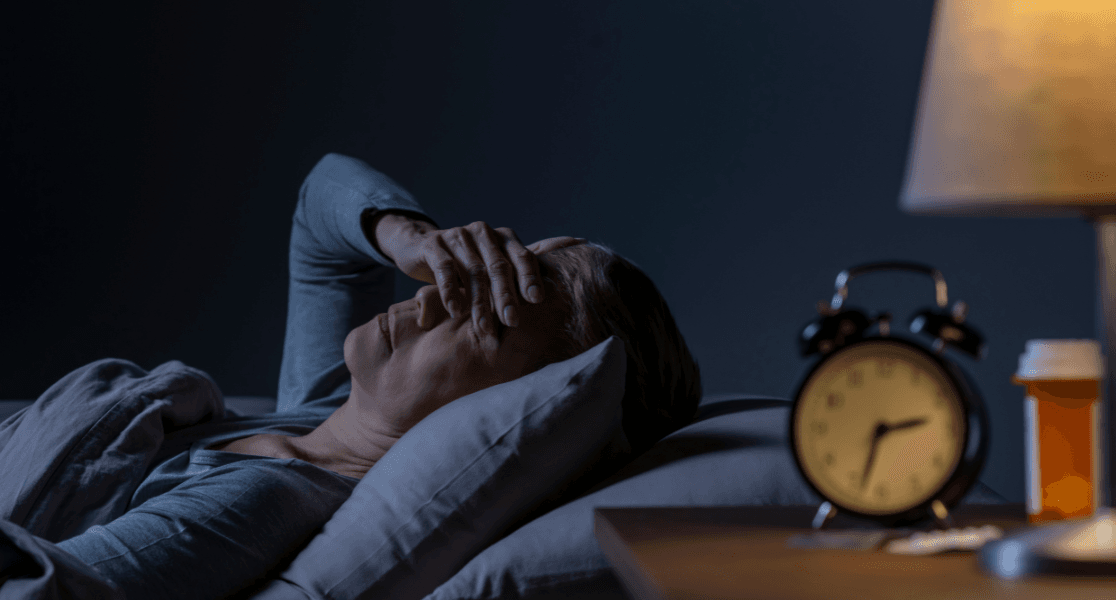
You are exhausted. Your body is tired, the room is dark, and by every logical measure, you should be asleep. Instead, your mind is running through tomorrow's meeting, last week's argument, a worst-case scenario that has not happened and probably never will. Your heart is going a little faster than normal. Your muscles are holding tension you did not notice until now. And the longer you lie there not sleeping, the more anxious you become about not sleeping, which makes sleeping even harder.
If this sounds familiar, you are not alone, and you are not imagining it. What you are describing has a name: sleep anxiety. And it is genuinely one of the most frustrating health experiences there is, precisely because the thing you need most to recover from it is the thing it is actively preventing.
This guide explains what sleep anxiety actually is, what it does to your body, what alcohol is really doing to your sleep quality, how magnesium helps and which form to take, what the research says about relaxing music, and the practical steps that make a measurable difference. No wellness platitudes. Just what the evidence actually shows.
What is sleep anxiety, and why does it happen
Sleep anxiety is fear or worry specifically about going to sleep. It sits within the broader anxiety disorder category, which affects around 40 million people in the United States, according to the Anxiety and Depression Association of America, making it the most common mental health condition in the country. Research consistently shows that most people living with any form of anxiety disorder also experience some form of sleep disruption, and the relationship runs both ways.
This is the part that makes sleep anxiety particularly difficult to resolve without understanding it. Poor sleep increases anxiety. Anxiety disrupts sleep. A 2025 meta-analysis published in BMC Public Health, covering 54 studies and 10,196 adults, confirmed that improving sleep quality led to significant reductions in anxiety symptoms. The effect was not minor. It was measurable, clinically meaningful, and consistent across different populations. But here is the problem: improving sleep quality requires reducing anxiety, which requires better sleep. The loop is real.
There is also a specific subset of sleep anxiety called somniphobia, which is a distinct fear of sleep itself rather than a fear of not sleeping. People with somniphobia may believe something bad will happen to them while they are asleep, or feel that they must stay alert and cannot allow themselves to be unconscious. This is less common than general sleep anxiety but is worth knowing about because it requires a different treatment approach.
Understanding which version you are dealing with changes what you do about it.
Sleep anxiety symptoms: what it feels like in your body and mind
Sleep anxiety does not stay in your head. This is one of the most important things to understand about anxiety as a whole: it expresses itself physically, often more dramatically than people expect.
Anxiety's physical symptoms that appear at bedtime
The physical symptoms of anxiety before bed are a direct result of the body's stress response system activating at the wrong time. When the brain perceives a threat, the hypothalamic-pituitary-adrenal (HPA) axis triggers the release of cortisol and adrenaline. These hormones prepare the body for action, which is the opposite of what sleep requires.
The most commonly reported physical symptoms of sleep anxiety include:
A racing or pounding heart (palpitations) that becomes noticeable when lying still. This happens because adrenaline increases heart rate, and without the distraction of activity, the sensation becomes amplified in the quiet of the bedroom.
Rapid or shallow breathing that creates a mild feeling of breathlessness. The respiratory system speeds up as part of the fight-or-flight response, and shallow chest breathing, rather than deep diaphragmatic breathing, keeps the nervous system in a more activated state.
Muscle tension concentrated in the jaw, neck, shoulders, and lower back. Many people are completely unaware they are holding tension in these areas until they consciously try to relax them. This physical bracing is the body preparing for action that never comes.
Digestive discomfort, including nausea, stomach cramping, or a hollow sensation in the abdomen. The gut and the brain are connected through the vagus nerve and the enteric nervous system. When the brain is anxious, the gut knows immediately.
Sweating or a feeling of warmth, particularly in the palms, feet, or face. The body's temperature regulation shifts during the stress response, and this can make the physical environment of the bed feel uncomfortable even when the room is cool.
Tingling or numbness in the hands, feet, or face. This is a result of hyperventilation that often accompanies anxiety breathing patterns. When carbon dioxide levels drop, blood vessels constrict slightly, producing these sensations.
For women specifically, these symptoms can be amplified during hormonal transitions, including perimenopause, when falling oestrogen levels directly affect the stress response and sleep architecture. Our women's wellness guide covers the broader picture of how hormonal health intersects with sleep and anxiety.
The mental and emotional symptoms
On the cognitive side, sleep anxiety typically presents as racing thoughts that accelerate rather than slow down when the body stops moving. Intrusive worry about the next day, replaying conversations, planning, problem-solving, or catastrophising scenarios that have no grounding in current reality.
There is also a phenomenon called hyperarousal, which is a state of sustained physiological and cognitive activation that prevents the nervous system from making the transition into sleep. Hyperarousal is now understood to be a central mechanism in chronic insomnia, not just a symptom of it. Once hyperarousal is established as a pattern, the bedroom itself can become a trigger: lying down becomes associated with wakefulness and anxiety rather than rest.
This is why simply trying to relax does not always work once sleep anxiety has become a pattern. The association between the bed and wakefulness needs to be actively reconditioned, not just waited out.
Some people also experience nocturnal panic attacks, which are sudden, intense episodes of extreme fear that wake them from sleep. These can include chest pain, a feeling of choking, dizziness, and a sense of unreality. Nocturnal panic attacks are distinct from daytime panic attacks in that the person is woken by them rather than triggering them while awake.
What aspect of sleep does alcohol negatively impact
This question comes up constantly, and the answer is specific and important because it contradicts what most people believe about drinking and sleep.
Many people use alcohol to fall asleep. It feels like it works: a glass of wine relaxes the body, reduces the anxiety spiral, and makes it easier to drift off. The problem is what happens after you fall asleep.
A 2025 systematic review and meta-analysis published in Sleep Medicine Reviews, analysing 27 controlled studies on healthy adults, found the following: alcohol negatively impacts REM sleep.
REM sleep (Rapid Eye Movement sleep) is the stage of sleep during which emotional processing, memory consolidation, creativity, and psychological recovery primarily occur. When you dream, you are almost certainly in REM sleep. When you wake up feeling mentally refreshed and emotionally regulated, that is largely a result of adequate REM sleep the night before.
Here is what the research found with precision: alcohol consumption reduced REM sleep duration by an average of 11.3 minutes per night compared to control conditions. For every 1 gram per kilogram increase in alcohol dose, REM sleep duration was reduced by an additional 40.4 minutes. Crucially, this disruption occurred even at a low dose of approximately two standard drinks. It was not a high-intake phenomenon. It was present from the first couple of drinks.
The mechanism is this: alcohol acts as a sedative in the early part of the night when blood alcohol levels are high, suppressing REM sleep in the first few hours and creating more slow-wave (deep) sleep instead. As the liver metabolises the alcohol in the second half of the night, there is a rebound effect: the brain tries to recover the REM sleep it missed, leading to lighter sleep, vivid dreams, and more frequent waking in the early morning hours. The result is that even if total sleep time looks reasonable, the quality and architecture of the sleep are significantly degraded.
For people with sleep anxiety specifically, this matters enormously. Alcohol feels like an anxiolytic at bedtime, but functions as an anxiety amplifier by the next morning. REM sleep deprivation increases emotional reactivity, reduces frustration tolerance, impairs the brain's ability to process difficult emotions, and raises baseline cortisol. All of these directly worsen anxiety. The nightcap that appears to solve the sleep problem is perpetuating it.
To directly answer the question: the aspect of sleep that alcohol most negatively impacts is REM sleep, specifically its duration and timing.
Magnesium and sleep: why this mineral matters more than most people realise
Magnesium is the fourth most abundant mineral in the human body and is involved in over 300 enzymatic reactions, including several that directly regulate the sleep-wake cycle and the stress response. The problem is that research suggests roughly 60% of adults do not consume adequate magnesium through diet alone. A magnesium deficiency, even a subclinical deficiency, directly disrupts sleep quality.
Here is how magnesium affects sleep through three primary mechanisms.
The first is GABA receptor activation. Magnesium binds to GABA-B receptors in the brain, increasing the activity of GABA (gamma-aminobutyric acid), the brain's primary inhibitory neurotransmitter. GABA is the neurotransmitter that tells the nervous system to slow down. It is the same system targeted by prescription sleep medications and benzodiazepines, but magnesium modulates it gently rather than forcing sedation. When magnesium levels are insufficient, the GABA system is underactive, making it harder for the brain to shift from alert to relaxed.
The second is melatonin regulation. Magnesium is required for the enzymatic conversion of serotonin to melatonin, the hormone that regulates the sleep-wake cycle. Without adequate magnesium, melatonin production can be impaired even when serotonin levels are normal.
The third is cortisol regulation. Magnesium directly modulates HPA axis activity, dampening the cortisol response. People who are chronically stressed deplete magnesium faster because cortisol drives magnesium excretion through the kidneys. This creates a self-reinforcing loop: stress depletes magnesium, low magnesium impairs the stress response, which causes more cortisol, which depletes more magnesium.
This three-way connection between magnesium, GABA, melatonin, and cortisol is why magnesium and sleep research have been so consistently positive. You are not just taking a relaxant. You are replenishing a mineral that multiple sleep regulatory systems depend on.
Best magnesium for sleep and anxiety: which form actually works
Not all magnesium supplements are the same. The form of magnesium determines how well it is absorbed, where it acts in the body, and what it is most useful for. The two forms with the strongest evidence for sleep and anxiety are magnesium glycinate and magnesium L-threonate.
Magnesium glycinate
Magnesium glycinate is magnesium bound to glycine, a calming amino acid that acts as an inhibitory neurotransmitter in its own right. This combination means that magnesium glycinate provides a double benefit: the magnesium supports GABA activity and melatonin production, while the glycine itself promotes relaxation, lowers core body temperature (a signal the brain uses to initiate sleep), and reduces the time it takes to fall asleep.
A 2025 randomised controlled trial published in Nature and Science of Sleep tested magnesium bisglycinate (a closely related form) in 155 healthy adults with poor sleep quality, giving participants either 250mg of elemental magnesium or a placebo daily for four weeks. The magnesium group showed a significantly greater reduction in Insomnia Severity Index scores compared to placebo. The effect was more pronounced in participants with lower baseline dietary magnesium, suggesting that those most deficient benefit the most.
Magnesium glycinate is well absorbed, gentle on the stomach, and is the form most recommended by psychiatrists and integrative medicine practitioners for anxiety-related sleep problems. It is also significantly more affordable than L-threonate, making it the practical starting point for most people.
Effective dose: 300 to 400mg of magnesium glycinate (providing approximately 50 to 80mg of elemental magnesium) taken 1 to 2 hours before bed. Check the Supplement Facts panel on the label for the elemental magnesium content rather than the total capsule weight. These are not the same number.
Onset: most people notice improvements in sleep quality and anxiety levels within 1 to 2 weeks of consistent daily use.
Magnesium L-threonate
Magnesium L-threonate (commercially marketed as Magtein, developed at MIT) is the only form of magnesium that has been shown in research to cross the blood-brain barrier effectively, raising magnesium levels in the brain directly rather than primarily in the bloodstream and muscles.
This brain bioavailability makes it particularly useful for the cognitive dimension of sleep anxiety: racing thoughts, middle-of-the-night waking with an activated mind, and the sense that the brain will not turn off. A 2024 randomised controlled trial published in Sleep Medicine X tested 1g of magnesium L-threonate daily for 21 days in 80 adults with self-reported sleep problems, tracked both subjectively and objectively using Oura rings. The L-threonate group showed significant improvements over placebo in sleep quality scores, behaviour upon awakening, mood upon waking, and mental alertness during the day.
The mechanism specific to L-threonate is NMDA receptor modulation: by raising brain magnesium levels, it reduces the excitability of neurons involved in the hyperarousal patterns that characterise anxiety-driven insomnia.
Effective dose: 1 to 2 grams of magnesium L-threonate daily (providing approximately 144 to 200mg of elemental magnesium), taken in the evening 1 to 2 hours before bed.
Onset: sleep improvements are typically noticed within 2 to 3 weeks. Cognitive benefits build over 4 to 6 weeks of consistent use.
Important note: Some people find L-threonate mildly stimulating due to its cognitive-enhancing effects on the brain. If this applies to you, start with a lower dose or switch to glycinate as the primary sleep supplement.
How to choose between them
Choose magnesium glycinate if your primary issue is general anxiety, difficulty falling asleep, muscle tension at bedtime, or if you are looking for the most cost-effective option. This covers the majority of people dealing with sleep anxiety.
Choose magnesium L-threonate if you fall asleep without difficulty but wake between 2 am and 4 am with an active mind, if you have significant daytime cognitive fog alongside sleep problems, or if you have been using glycinate for several weeks and want to add support for the neural hyperexcitability component.
Both forms are safe for nightly use. Unlike prescription sleep aids, magnesium does not cause dependency, tolerance, or rebound insomnia. People with kidney disease should consult their doctor before supplementing, as impaired kidneys cannot efficiently clear excess magnesium.
For a broader context on food sources of magnesium and how diet supports the nervous system alongside supplementation, our healthy lifestyle foods guide covers the nutritional foundations in detail. The top dietary sources of magnesium include pumpkin seeds, spinach, dark chocolate, almonds, black beans, avocado, and salmon.
How magnesium affects sleep and anxiety: the direct mechanisms
To bring together everything above in one clear picture, here is how magnesium works on sleep and anxiety simultaneously.
Magnesium activates GABA receptors, reducing neural excitability and turning down the volume on anxious thoughts. It supports the production of melatonin, helping the brain recognise that it is time to sleep. It reduces cortisol output, dampening the physical stress response that expresses itself as a racing heart, tense muscles, and shallow breathing at bedtime. It supports serotonin synthesis, which affects mood stability during the day and contributes to the sleep-onset process at night. And in the case of L-threonate specifically, it directly raises magnesium levels in the brain, modulating the NMDA receptors involved in hyperarousal and cognitive overactivation.
The reason so many people with sleep anxiety report that magnesium supplementation makes a noticeable difference is that it addresses the neurological and physiological drivers of the condition, not just the surface symptoms. It is not a sedative. It is nutritional support for systems that were already supposed to do this work, but could not because of depletion.
For women dealing with hormonal fluctuations that affect both sleep and anxiety, including perimenopause and cycle-related anxiety, magnesium glycinate is particularly relevant because oestrogen helps the body retain magnesium. When oestrogen falls, magnesium levels often drop alongside it. Our women's hormone health guide covers this connection in detail.
Relaxing music for sleep and anxiety: what the science says
Relaxing music for sleep and anxiety is not just pleasant background noise. There is a specific neurological and physiological mechanism behind why it works.
The autonomic nervous system responds directly to the rhythmic and acoustic properties of music. Music with a tempo of approximately 60 beats per minute, roughly the resting heart rate, has been shown to entrain the cardiovascular system through a process called cardiac vagal tone modulation. In simpler terms: slow, steady music encourages the heart to slow down and the parasympathetic nervous system to become more active.
A systematic review published in the Journal of Advanced Nursing found that music consistently reduced anxiety, improved sleep quality, and decreased the time taken to fall asleep across multiple studies. The effect was most pronounced in participants who had pre-existing sleep difficulties and those using music consistently rather than occasionally.
The types of music that work best for sleep and anxiety have several characteristics in common. They have a slow, predictable rhythm (50 to 80 BPM). They lack sudden changes in volume, key, or intensity. They use predominantly lower frequency sounds rather than sharp or bright tones. They are familiar enough to be non-distracting but not so familiar as to trigger memories or associations.
Binaural beats are a specific type of auditory stimulus used for sleep and anxiety that works through a different mechanism. When two slightly different frequencies are played in each ear (for example, 200Hz in the left ear and 210Hz in the right), the brain perceives a third tone at the difference frequency (10Hz), and synchronises its own electrical activity toward that frequency. Delta binaural beats (0.5 to 4Hz) are associated with deep sleep. Theta binaural beats (4 to 8Hz) are associated with relaxation and drowsiness. Binaural beats require headphones to work and are best used during the wind-down period before sleep rather than while trying to fall asleep.
Nature sounds, including rain, ocean waves, forest ambience, and white or brown noise, work through a different pathway: masking. They provide a consistent auditory backdrop that reduces the contrast between silence and intrusive sounds, preventing the startle response that disturbs sleep onset and maintenance.
Practical suggestion: use music or nature sounds during the 20 to 30 minutes before bed as part of a wind-down routine. Pair it with dim lighting and reduced screen exposure to compound the parasympathetic activation effect.
Why you can't sleep even when you're exhausted: the real reason
Being exhausted and being unable to sleep are not contradictory states. They can and do exist simultaneously, and this is one of the most disorienting aspects of sleep anxiety.
Here is why it happens. The sleep system and the arousal system are separate. The sleep drive, the technical term is sleep pressure or Process S, accumulates with every hour of wakefulness. By the time you are genuinely exhausted, this drive is very high. But it can be overridden by the arousal system, which is activated by cortisol, adrenaline, and the hyperarousal state described earlier.
When the brain is in threat-detection mode, it actively suppresses sleep. This was an evolutionary advantage: you do not want to fall asleep when there is genuine danger. The problem is that the modern anxious brain triggers this same suppression in response to perceived social threats, future worries, and imagined scenarios that carry no physical danger but register identically in the stress response system.
The result is that by 11 pm, your sleep drive is extremely high, you are physically exhausted, your eyes are heavy, and the moment your head touches the pillow, your brain starts generating thoughts. The cortisol spiked in response to the act of lying down, turning what should be a neutral trigger into an activating one.
This pattern, technically called conditioned arousal or psychophysiological insomnia, is one of the most common presentations of chronic sleep difficulty. It is also one of the most treatable through Cognitive Behavioural Therapy for Insomnia (CBT-I), which is the first-line treatment recommended by the American College of Physicians, specifically because it addresses the underlying conditioned response rather than masking the symptom.
While working on this, yoga specifically designed for stress relief and nervous system regulation can also support the transition. Our complete guide to yoga for stress relief and better sleep covers the specific poses and breathing practices that activate the parasympathetic nervous system before bed.
Practical steps that actually help with sleep anxiety
These are not generic wellness tips. These are the interventions with the strongest evidence behind them, translated into what to actually do.
Keep a consistent wake time regardless of when you fell asleep. This is the single most powerful lever for rebuilding sleep quality. The wake time anchors the circadian clock. Varying it by more than an hour on weekends and rest days is enough to significantly disrupt the sleep-wake cycle.
Get out of bed if you cannot sleep within 20 minutes. This is counterintuitive but evidence-based. Lying awake in bed reinforces the association between the bed and wakefulness. Going to a different room and doing something quiet and low-stimulus until you feel sleepy, then returning to bed, gradually re-establishes the association. This is stimulus control therapy, one of the core components of CBT-I.
Wind down for 30 to 60 minutes before bed. The nervous system does not switch off instantaneously. A deliberate wind-down period that includes dim lighting, screen reduction, and something calming (reading, gentle stretching, relaxing music, slow breathing) gives the parasympathetic system time to become dominant before you lie down.
Use a 4-7-8 breathing pattern when lying in bed. Inhale for 4 counts, hold for 7, exhale for 8. The extended exhale activates the vagus nerve and slows the heart rate. Two to three rounds of this breath pattern can lower physiological arousal measurably within minutes.
Take magnesium glycinate 1 to 2 hours before bed, consistently. Not occasionally. The sleep benefits of magnesium glycinate accumulate over several weeks of daily supplementation as levels are restored. Taking it only on bad nights will not produce the same results as consistent daily use.
Limit alcohol to earlier in the evening and reduce overall intake if sleep quality is a priority. Given what the research shows about REM disruption, even two drinks close to bedtime are working against sleep quality, regardless of how relaxed they make the initial falling-asleep process feel.
Write down tomorrow's tasks and worries before bed. This is called a cognitive offloading practice. Research from Baylor University found that spending 5 minutes writing a to-do list for the following day, rather than lying in bed thinking about it, significantly reduced the time it took to fall asleep. Externalising the worry list gives the brain permission to stop holding it in working memory.
Sleep anxiety, alcohol, and magnesium: quick reference list
What sleep anxiety is: fear or worry about falling or staying asleep, sitting within the anxiety disorder spectrum and affecting most of the 40 million Americans with an anxiety diagnosis.
Physical symptoms of sleep anxiety: racing heart, rapid breathing, muscle tension (jaw, neck, shoulders), digestive discomfort, sweating, tingling in the extremities.
Mental and emotional symptoms of sleep anxiety: racing thoughts, hyperarousal, inability to switch off, catastrophising, and nocturnal panic attacks in more severe cases.
What aspect of sleep alcohol negatively impacts: REM sleep duration and onset timing, confirmed by a 2025 meta-analysis of 27 controlled studies showing an 11.3-minute average reduction per night, even at low doses.
Why this matters: REM sleep governs emotional processing, memory consolidation, and psychological recovery. Its disruption by alcohol increases next-day anxiety and emotional reactivity, worsening the sleep anxiety loop.
How magnesium affects sleep and anxiety: through GABA receptor activation, melatonin support, cortisol regulation, and (in the case of L-threonate) direct brain bioavailability and NMDA modulation.
Best magnesium for sleep and anxiety:
Magnesium glycinate: best for falling asleep, general anxiety, muscle tension, and as the starting point for most people. 300 to 400mg taken 1 to 2 hours before bed.
Magnesium L-threonate (Magtein): best for middle-of-the-night waking, cognitive overactivation, and those wanting cognitive benefits alongside sleep support. 1 to 2g taken in the evening.
Relaxing music for sleep and anxiety: music at 60 BPM, binaural beats (delta/theta frequencies), and nature sounds all have evidence behind them. Use during wind-down, not only at the moment of trying to sleep.
Why can't you sleep even when exhausted? Conditioned arousal means the brain has learned to activate when you get into bed. The sleep drive is high, but the arousal system is overriding it. CBT-I is the first-line evidence-based treatment.
Key supplements that work alongside magnesium: L-theanine (calming amino acid, works well with glycinate), ashwagandha (reduces cortisol), and melatonin (short-term use for circadian rhythm disruption only).
Foods naturally high in magnesium: pumpkin seeds, spinach, dark chocolate (70% or higher), almonds, black beans, avocado, banana, salmon, and yoghurt.
FAQ
What is sleep anxiety, and is it the same as insomnia?
Sleep anxiety is fear or worry specifically about going to sleep or staying asleep. Insomnia is a broader clinical term for difficulty falling asleep, staying asleep, or waking too early, regardless of cause. Sleep anxiety is one of the most common drivers of insomnia, but they are not identical. A person can have insomnia without significant anxiety, and a person can have sleep anxiety that is managed before it becomes clinical insomnia. When anxiety is the primary driver of the sleep problem, addressing the anxiety directly is more effective than treating the insomnia alone.
What are the physical symptoms of sleep anxiety?
The physical symptoms of sleep anxiety include a racing or pounding heart, rapid or shallow breathing, muscle tension in the jaw, neck, and shoulders, digestive discomfort or nausea, sweating, tingling in the hands or feet, and a sense of warmth or restlessness. These are all expressions of the stress response system activating at bedtime. The body releases cortisol and adrenaline in response to perceived threat, and these hormones produce physical changes that are incompatible with the physiological state required for sleep.
What aspect of sleep does alcohol negatively impact?
Alcohol most significantly and consistently negatively impacts REM sleep. A 2025 systematic review and meta-analysis in Sleep Medicine Reviews, covering 27 controlled studies, found that alcohol reduces REM sleep duration and delays REM onset even at a low dose of approximately two standard drinks. The disruption worsens with higher doses in a dose-response pattern. Although alcohol may help with falling asleep initially by acting as a sedative, it suppresses REM sleep in the first half of the night and causes disrupted, lighter sleep in the second half as it is metabolised.
What is the best magnesium for sleep and anxiety?
Magnesium glycinate is the best starting point for most people dealing with sleep anxiety. It is well absorbed, gentle on the stomach, and the glycine component provides additional calming and sleep-promoting effects through its own pathways. For people whose primary issue is middle-of-the-night waking or racing thoughts that will not stop, magnesium L-threonate is the more targeted option because it crosses the blood-brain barrier and raises brain magnesium levels directly. The recommended dose for elemental magnesium is 200 to 400mg taken 1 to 2 hours before bed.
How does magnesium help with sleep and anxiety?
Magnesium helps sleep and anxiety through three primary mechanisms. First, it activates GABA receptors, increasing the brain's primary inhibitory neurotransmitter and reducing neural excitability. Second, it is required for the conversion of serotonin to melatonin, supporting the hormone that governs the sleep-wake cycle. Third, it modulates the HPA axis, dampening cortisol output and reducing the physiological intensity of the stress response. When magnesium levels are depleted (which affects an estimated 60% of adults), all three of these systems are underactive, contributing directly to sleep difficulty and anxiety.
Does relaxing music actually help with sleep anxiety?
Yes, with evidence behind it. Slow music at approximately 60 beats per minute has been shown to entrain the cardiovascular system through a process called cardiac vagal tone modulation, encouraging the heart rate to slow and activating the parasympathetic nervous system. A systematic review in the Journal of Advanced Nursing found that music consistently reduced anxiety and improved sleep quality across multiple studies. Binaural beats in the delta and theta frequency ranges, and nature sounds like rain or ocean, work through different but also evidenced mechanisms. Music is most effective when used consistently as part of a wind-down routine rather than as an emergency measure when already lying awake.
Why can't I sleep even when I am exhausted?
Being exhausted and being unable to sleep simultaneously is a hallmark of conditioned arousal, sometimes called psychophysiological insomnia. The sleep drive (the accumulation of tiredness over hours of wakefulness) is genuinely high, but the arousal system, driven by cortisol and adrenaline, is overriding it. The brain has learned to activate when you get into bed rather than relax. Lying awake reinforces this pattern. The evidence-based treatment is CBT-I (Cognitive Behavioural Therapy for Insomnia), which directly retrains the association between bed and sleep through techniques including stimulus control and sleep restriction therapy.
Is it safe to take magnesium every night for sleep?
Yes. Unlike prescription sleep medications, magnesium does not cause dependency, tolerance, or rebound insomnia. Both magnesium glycinate and magnesium L-threonate are safe for nightly use at recommended doses. The main risk of high doses is gastrointestinal discomfort, which glycinate and threonate are least likely to cause compared to other forms like citrate or oxide. People with kidney disease should consult a doctor before supplementing, as the kidneys manage magnesium excretion, and impaired function can allow accumulation. For most healthy adults, consistent daily use produces the best results and is safe long-term.
What are the best non-supplement approaches for sleep anxiety?
The most evidence-supported non-supplement approaches for sleep anxiety are CBT-I (Cognitive Behavioural Therapy for Insomnia), which is recommended as the first-line treatment by the American College of Physicians over medication. Other well-evidenced approaches include maintaining a consistent wake time daily, using stimulus control (leaving the bed if you cannot sleep within 20 minutes), a structured wind-down routine, relaxing music or nature sounds, 4-7-8 breathing at bedtime, cognitive offloading (writing tomorrow's tasks down before bed), and yoga or gentle movement for stress regulation. Our yoga for stress relief guide covers specific practices for this.
Become a member
Get the latest news right in your inbox. We never spam!
Comments (0)(Loading...)