


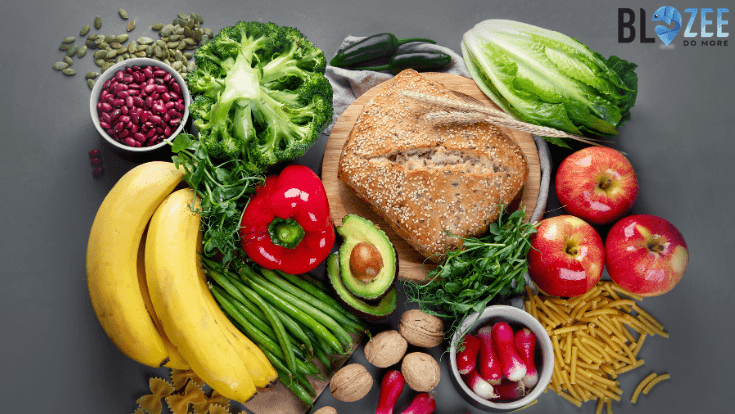
Discover 12 healthy lifestyle foods that support healthy eating habits, balanced nutrition, and better daily energy for a healthier lifestyle.
Healthy Lifestyle Foods: 12 Nutrient-Rich Foods for Daily Health
A healthy lifestyle begins with the food you eat every day. The right foods provide essential nutrients, improve digestion, and help maintain steady energy levels.
Including healthy lifestyle foods in your diet supports long-term wellness and reduces the risk of many health problems.
A balanced diet filled with nutritious foods can improve digestion, strengthen immunity, and help maintain overall health.
Why Healthy Eating Habits Matter
Developing healthy eating habits is one of the most important steps toward maintaining good health.
- Healthy eating helps:
- Maintain energy levels
- Support digestion
- Strengthen the immune system
- Improve mental focus
- Maintain a healthy weight
When you regularly eat balanced diet foods, your body receives the nutrients it needs to function properly.
Why Is It Important to Have a Balanced Diet?
Many people wonder why it is important to have a balanced diet.
A balanced diet provides the right combination of nutrients, including carbohydrates, proteins, healthy fats, vitamins, and minerals.
Benefits of a balanced diet include:
- Improved digestion
- Stronger immunity
- Better energy levels
- Reduced risk of chronic diseases
- Better mental well-being
Without a balanced diet, the body may experience fatigue, nutrient deficiencies, or digestive issues.
12 Healthy Lifestyle Foods for Better Health
Below are some of the most nutritious foods that can support a healthy lifestyle.
1. Leafy Green Vegetables
Leafy greens such as spinach, kale, and lettuce are rich in vitamins, minerals, and antioxidants.
They support digestion, improve immunity, and provide essential nutrients for overall health.
2. Fruits
Fresh fruits such as apples, bananas, and berries provide vitamins, fiber, and antioxidants.
Fruits are important, balanced diet foods that support digestion and improve energy levels.
3. Whole Grains
Whole grains like oats, brown rice, and quinoa are rich in fiber and nutrients.
They support digestion and help maintain stable blood sugar levels.
4. Yogurt
Yogurt contains probiotics that help maintain healthy gut bacteria.
These probiotics support digestion and make yogurt one of the most important nutritious foods for gut health.
5. Eggs
Eggs are a high-quality source of protein and essential nutrients.
They support muscle health and provide long-lasting energy.
6. Nuts and Seeds
Almonds, walnuts, and chia seeds contain healthy fats, fiber, and antioxidants.
These foods support heart health and provide essential nutrients.
7. Lean Proteins
Lean proteins such as chicken, fish, and legumes help repair body tissues and support metabolism.
They are essential parts of healthy eating habits.
8. Vegetables
Vegetables provide vitamins, minerals, and fiber.
Eating a variety of vegetables helps maintain a balanced and nutritious diet.
9. Beans and Lentils
Beans and lentils are rich in protein, fiber, and minerals.
They support digestion and help maintain energy levels.
10. Healthy Fats
Healthy fats from olive oil, avocado, and nuts support heart health and improve nutrient absorption.
11. Dairy or Dairy Alternatives
Milk, yogurt, and plant-based alternatives provide calcium and protein that support bone health.
12. Water-Rich Foods
Foods such as cucumbers, watermelon, and oranges help maintain hydration and support digestion.
Building Healthy Eating Habits
Creating sustainable, healthy eating habits does not require extreme dieting.
Simple changes include:
- Eating more fruits and vegetables
- Choosing whole grains instead of refined grains
- Drinking enough water
- Limiting processed foods
- Including protein in meals
These habits help maintain a healthy lifestyle over time.
Healthy nutrition is just one part of overall wellness.
To understand how nutrition, digestion, sleep, and lifestyle habits work together, read our complete Women’s Wellness Guide.
You can also explore our guide on foods that are digested quickly, which explains which foods are easier for the digestive system.
Frequently Asked Questions
How does gut health affect skin?
Gut health influences inflammation, digestion, and nutrient absorption. When the gut microbiome is balanced, the body absorbs nutrients more efficiently, which can support clearer and healthier skin.
What are the best probiotics for gut health?
Some of the best probiotics for gut health include Lactobacillus and Bifidobacterium strains. These probiotics help restore healthy gut bacteria and support digestive balance.
Can gut health supplements improve digestion?
Certain gut health supplements, such as probiotics, prebiotics, and digestive enzymes, may help support digestion and maintain microbiome balance when combined with a healthy diet.
How can you support complete gut repair naturally?
Supporting complete gut repair usually involves eating fiber-rich foods, probiotic foods like yogurt and fermented vegetables, staying hydrated, managing stress, and maintaining healthy lifestyle habits.
Final Thoughts
Including healthy lifestyle foods in your daily diet can improve overall health and energy levels.
A balanced diet filled with nutritious foods supports digestion, strengthens immunity, and helps maintain long-term wellness.
By developing simple healthy eating habits, you can support better health and improve your quality of life.
Become a member
Get the latest news right in your inbox. We never spam!

Comments (0)(Loading...)