


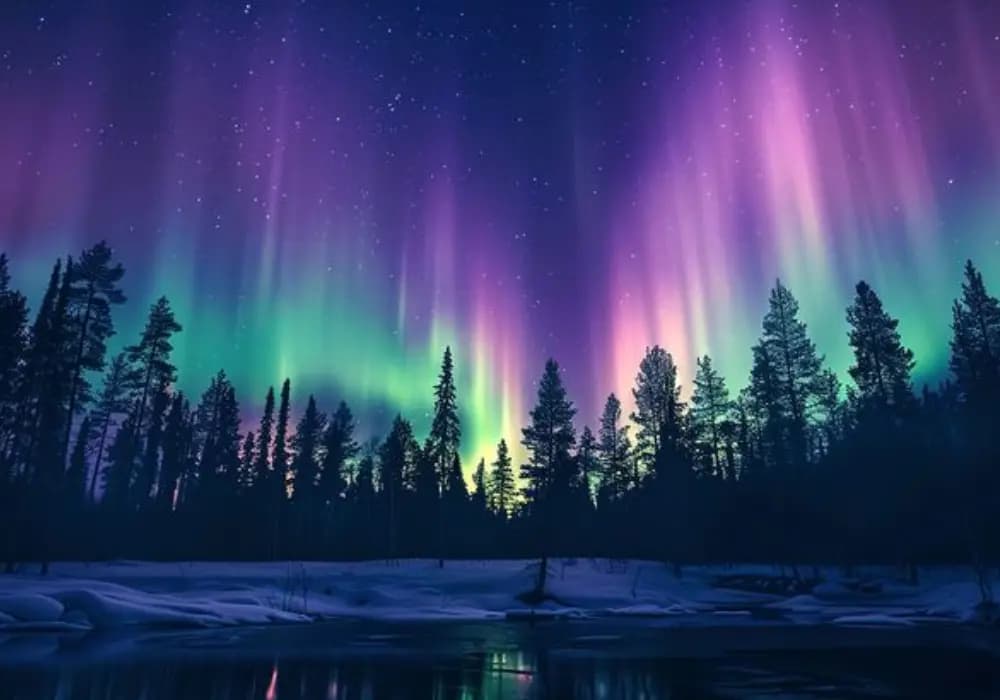
Want to see the Northern Lights? Discover the best countries, months and travel tips to increase your chances of spotting them.
There are travel moments that feel beautiful, and then there are moments that feel impossible—the kind your brain struggles to believe is real. Watching the northern lights dance across a dark winter sky is exactly that.
One minute you’re standing in silence, wrapped in layers, looking at a sky full of stars. Next, a soft green glow appears—then stretches, swirls, and shifts like the heavens are painting in real time. People call it magic. Scientists call it solar particles colliding with Earth’s atmosphere. Either way, the beautiful aurora borealis is a once-in-a-lifetime experience that stays with you forever.
This guide covers the best place to see northern lights, the top countries, the best months to go, and expert tips to maximize your chances—without wasting money or time.
What Are the Northern Lights?
The aurora northern lights (also known as the aurora borealis) happen when charged particles from the sun hit gases in Earth’s upper atmosphere near the magnetic poles. The result is a glowing show—often green, sometimes purple, pink, and even red under strong activity.
The biggest takeaway for travelers is simple:
To see the northern lights, you need darkness, clear skies, and the right location.
Where Are There Northern Lights?
If you’re wondering where are there northern lights, the answer is: high-latitude regions close to the Arctic Circle.
The best sightings happen inside what’s called the “Aurora Oval,” which includes parts of:
-
Norway
-
Sweden
-
Finland
-
Iceland
-
Canada
-
Alaska (USA)
-
Greenland
-
Scotland (rare but possible)
-
Russia (remote areas)
If you want a realistic, high-success trip, focus on the countries below.
Best Country to See Northern Lights (Top Picks Worldwide)
Different destinations offer different experiences—some are easier, some are more budget-friendly, and some are unbelievably scenic.
1) Norway (Most Iconic Aurora Destination)
Norway is often considered the best country to see northern lights because it combines strong aurora activity with stunning landscapes—fjords, mountains, and coastal skies.
Best place to see northern lights in Norway:
-
Tromsø (most popular and well-connected)
-
Senja (less crowded, dramatic views)
-
Alta (known as “City of Northern Lights”)
-
Lofoten Islands (aurora + unreal scenery)
Best time to see northern lights in Norway:
September to March (peak months: December to February)
2) Iceland (Best for Landscapes + Aurora Together)
Iceland is perfect if you want more than aurora chasing. Even on nights when the lights don’t show up, you still get waterfalls, glaciers, black sand beaches, and geothermal hot springs.
Best place to see northern lights in Iceland:
-
Thingvellir National Park
-
Vik and South Coast (low light pollution)
-
Snæfellsnes Peninsula (great “all-in-one” route)
-
North Iceland (Akureyri region)
Best months: September to April
Pro tip: Stay outside Reykjavik for darker skies.
3) Finland (Best for Cozy Arctic Stays)
Finland is where you go if you want comfort and aesthetics: glass igloos, saunas, snowy forests, and peaceful towns built for winter.
Best place to see northern lights in Finland:
-
Rovaniemi (Santa Village + easy travel)
-
Saariselkä (excellent aurora activity)
-
Inari (quiet, dark skies)
-
Levi (ski + aurora combo)
Best months: September to March
If you want a slow, romantic trip, Finland is hard to beat.
4) Sweden (Best for Aurora + Arctic Culture)
Swedish Lapland offers great infrastructure and fewer crowds compared to Norway in peak season.
Best place to see northern lights in Sweden:
-
Abisko (one of the world’s best microclimates for clear skies)
-
Kiruna (ice hotel region)
-
Jukkasjärvi (winter adventures)
Best months: September to March
Abisko is famous for clearer nights, which helps if the weather is your biggest enemy.
5) Canada (Best for Long Aurora Seasons)
Canada is huge, which means more chances to find clear skies if you move smartly. It’s also one of the best options for travelers who want the classic “wild North” feel.
Best place to see northern lights in Canada:
-
Yellowknife (Northwest Territories) — top-tier
-
Whitehorse (Yukon)
-
Churchill (Manitoba) — polar bears + aurora season overlap
-
Jasper National Park (Alberta) — dark-sky preserve
Best months: August to April (peak: September to March)
If you want a destination that’s consistently strong, Canada is a solid answer for best place to see northern lights.
6) Alaska, USA (Best for Americans Wanting Easy Travel)
If you’re based in the US, Alaska is the most convenient aurora destination—no long-haul flights, no complex planning.
Best place to see northern lights in Alaska:
-
Fairbanks (most reliable)
-
Denali area (amazing if skies cooperate)
-
Coldfoot (remote, strong visibility)
Best months: September to April
Fairbanks is one of the top global picks for aurora northern lights trips.
7) Greenland (Best for Remote, Unreal Wilderness)
Greenland is for travelers who want the most raw version of the Arctic experience. It’s less touristy, more remote, and visually dramatic.
Best place: Ilulissat and Kangerlussuaq
Best months: September to April
Best Time to See Northern Lights by Month
Timing matters. You can visit the perfect country and still miss the show if you arrive during bright summer nights.
| Month Range | Why It’s Good |
|---|---|
| September | Great start of the season, milder weather |
| October | Darker nights and good aurora activity |
| November | Strong darkness with fewer crowds than peak winter |
| December – February | Peak season with the longest nights and best overall chances |
| March | Great aurora activity with slightly easier travel conditions |
| April | Season starts fading, but early April can still be good |
| May – August | Not ideal in most places due to bright nights and limited darkness |
How to Increase Your Chances of Seeing the Northern Lights
Even in the best country to see northern lights, the aurora is never guaranteed. But smart planning can take your success rate from “hopefully” to “highly likely.”
1) Stay at Least 4–7 Nights
A single-night trip is risky. Weather changes fast in Arctic regions.
If you want real odds, plan:
-
4 nights minimum
-
7+ nights ideal
2) Escape City Lights
Light pollution can kill visibility. Choose:
-
cabins outside the city
-
small towns
-
countryside stays
-
dark-sky parks
3) Track Solar Activity (KP Index)
Aurora activity is measured using the KP Index. Higher KP can mean stronger auroras, but location and sky clarity matter more than chasing KP numbers.
Use aurora forecast apps, but don’t obsess over them. Many beautiful shows happen on moderate KP nights when skies are clear.
4) Watch the Weather, Not Just the Forecast
Clear skies are everything. A “high aurora forecast” means nothing under heavy clouds. Always check:
-
cloud coverage
-
wind conditions
-
visibility
5) Be Ready for Late Nights
Aurora often appears between:
-
10 PM to 2 AM
But it can show earlier or later.
If you want the real moment, you need patience.
6) Dress for Real Arctic Cold
Cold ruins experiences quickly if you’re not prepared. Pack:
-
thermal base layers
-
down jacket or heavy parka
-
insulated boots
-
gloves + hand warmers
-
wool socks + beanie
Best Place to See Northern Lights (Quick Recommendations)
If you want the simplest “just tell me the best options” answer:
Best overall destinations:
-
Tromsø, Norway
-
Abisko, Sweden
-
Yellowknife, Canada
-
Fairbanks, Alaska
-
Iceland (outside Reykjavik)
These places have strong aurora visibility, good travel infrastructure, and proven track records.
Suggested Northern Lights Itineraries
4-Day Norway Aurora Trip (Tromsø)
Day 1: Arrive + explore city
Day 2: Northern lights tour (best chance)
Day 3: Fjord day trip + aurora chase
Day 4: Depart
5-Day Iceland Aurora + Road Trip
Day 1: Reykjavik
Day 2: South Coast to Vik
Day 3: Glacier + black sand beach
Day 4: Snæfellsnes Peninsula
Day 5: Return
6-Day Finland Cozy Aurora Trip
Day 1: Arrive Lapland
Day 2: Snow activities + aurora watch
Day 3: Glass igloo experience
Day 4: Day trip + sauna
Day 5: Aurora hunt
Day 6: Depart
Travel Mistakes That Make People Miss the Aurora
Avoid these common mistakes:
-
Going for just 1 night
-
Staying in bright city centers
-
Visiting during the summer months
-
Not checking cloud coverage
-
Not dressing warm enough
-
Expecting aurora to look like edited Instagram photos (it looks softer to the naked eye, and brighter on camera)
The beautiful aurora borealis is still breathtaking, but it’s often more subtle in real life—until it suddenly becomes massive.
FAQs: Northern Lights Travel Guide
1) What is the best country to see northern lights?
Norway, Canada, and Finland are consistently top choices. Norway (Tromsø) is often considered the best overall due to strong aurora activity and travel convenience.
2) What is the best time to see northern lights in Norway?
The best time to see northern lights in Norway is from September to March, with peak viewing from December to February due to the longest dark nights.
3) Where are there northern lights most often?
Northern lights are most frequently seen in regions near the Arctic Circle like northern Norway, Swedish Lapland, Finnish Lapland, Iceland, Alaska, and northern Canada.
4) What is the best place to see northern lights for first-timers?
Tromsø (Norway) and Fairbanks (Alaska) are excellent for beginners because they have tours, easy transport, and reliable aurora seasons.
5) Can you see aurora northern lights with your eyes?
Yes. The aurora northern lights, are visible to the naked eye, often appearing as a soft glow. Cameras may capture more vibrant colors depending on exposure settings.
6) How many days do I need to see the northern lights?
Plan at least 4–7 days to increase your chances. The longer you stay, the better your odds due to unpredictable weather.
7) Do the northern lights happen every night?
They can occur frequently during the season, but visibility depends on solar activity and clear skies. Some nights are quiet, while others are unforgettable.
Final Thoughts: Make Your Aurora Trip Count
Seeing the northern lights is not just about picking a destination—it’s about stacking the odds in your favor. Choose a reliable region, travel during peak months, stay long enough to beat the weather, and spend your nights away from city lights.
Whether you pick Norway’s dramatic fjords, Iceland’s wild landscapes, or Canada’s deep Arctic skies, the first time you witness the beautiful aurora borealis, you’ll understand why people chase it across the world.
Read next: Travel Guide: Good, Warm, and Hot Places to Visit This Month
Become a member
Get the latest news right in your inbox. We never spam!

Comments (0)(Loading...)