


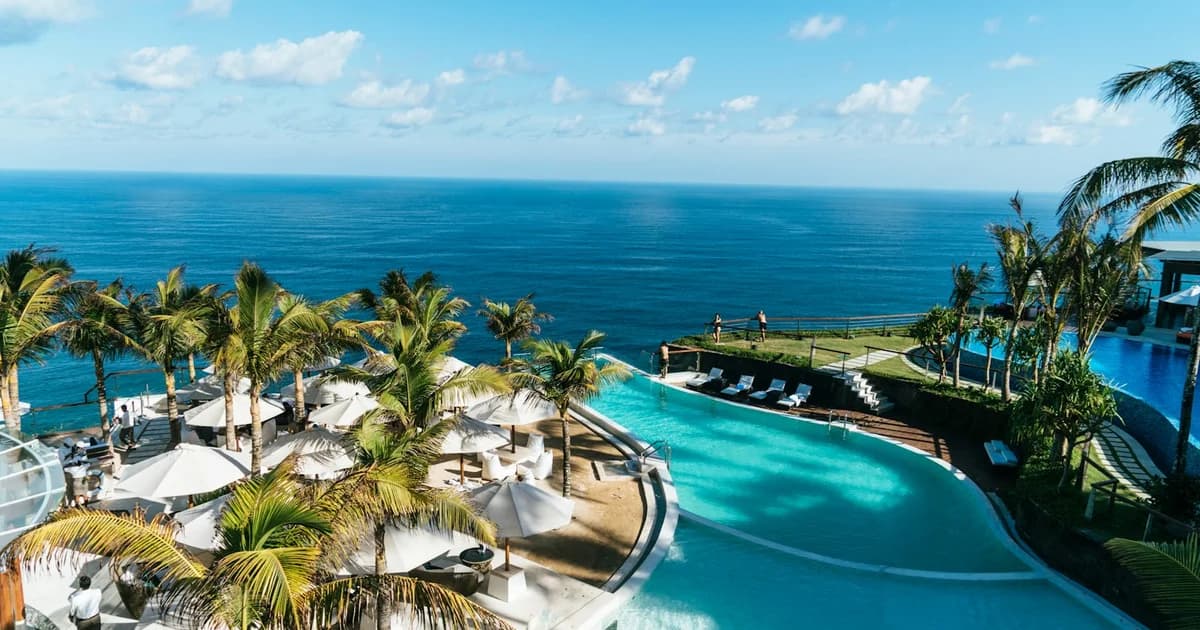
Explore the pinnacle of sustainable luxury travel in 2026. 100% solar-powered private island eco-resorts, zero-impact safaris, and regenerative tourism.
Quick Answer Capsule: The Core Takeaway
Sustainable luxury travel in 2026 proves that uncompromising opulence and environmental regeneration can coexist. Leading eco-resorts operate on 100% off-grid solar and micro-hydro power, enforce zero-single-use plastics, fund community conservation reserves, and serve 100% organic hyper-local culinary menus while providing private plunge pools, world-class spas, and bespoke wilderness guiding.
1. Market Context and 2026 Landscape Overview
Historically, high-end luxury hospitality was often associated with immense resource consumption: massive chilled swimming pools in desert environments, private jet carbon footprints, and single-use plastic waste. In 2026, luxury has been fundamentally redefined by a new discerning ethos: **Regenerative Hospitality**.
Today's luxury travelers recognize that true luxury is not gold-plated faucets; it is pristine, untouched wilderness, absolute silence, private access to rare wildlife ecosystems, and knowing that your stay directly funds endangered species conservation and indigenous community prosperity.
In this comprehensive guide, we spotlight the world's most breathtaking sustainable luxury eco-resorts and evaluate how low-impact conservation expeditions are safeguarding planet Earth's final frontiers.
2. 2026 Comprehensive Benchmark & Comparative Matrix
To ground our analysis in verified industry metrics, the following structured dataset compares the key parameters, performance metrics, and commercial variables across the leading solutions in this domain:
| Eco-Resort & Location | Key Environmental Certification | Energy & Water Infrastructure | Conservation / Community Impact | Nightly Rate Range (USD) |
|---|---|---|---|---|
| The Brando, Tetiaroa, French Polynesia | LEED Platinum & Zero Carbon | 100% Solar + Sea Water Air Conditioning (SWAC) | Funds Tetiaroa Society marine biology research station | $3,500 – $6,500 / night |
| Singita Pamushana, Malilangwe, Zimbabwe | Long-Term Carbon Neutrality | Off-grid solar microgrid + greywater wetlands | Protects 130,000-acre private wildlife conservation reserve | $2,200 – $4,000 / night |
| Soneva Fushi & Jani, Maldives | Total Waste to Wealth Recycling | Solar farm array + on-site glass & plastic upcycling | 100% carbon-neutral guest stays; marine coral propagation | $2,800 – $7,500 / night |
| Nayara Tented Camp, Arenal, Costa Rica | National Rainforest Reforestation | Solar thermal hot springs + native timber architecture | Created a dedicated sloth sanctuary with 20,000 planted trees | $1,400 – $2,800 / night |
| Fogo Island Inn, Newfoundland, Canada | Shorefast 100% Community Economic Trust | Solar thermal + wood pellet heat + hyper-local sourcing | 100% of operating profits reinvested in local island community | $2,100 – $3,800 / night |
3. Engineering the Zero-Carbon Luxury Eco-Resort
Building world-class luxury accommodations in fragile remote wilderness requires cutting-edge ecological engineering:
1. Deep Sea Water Air Conditioning (SWAC): Pioneered by The Brando, cold ocean water pumped from 3,000 feet beneath the sea surface cools resort air conditioning systems, slashing electrical energy consumption by 70%.
2. Total 'Waste-to-Wealth' Recycling: Modern eco-resorts treat 100% of food waste in on-site anaerobic composters to nourish organic vegetable gardens, while discarded glass bottles are crushed and melted into bespoke art pieces in on-site glass-blowing studios.
4. Regenerative Safaris: Protecting Wildlife Through High-Value Tourism
In Africa and Latin America, low-density, high-value sustainable eco-tourism provides the primary financial barrier against illegal poaching and habitat deforestation.
By paying premium concession fees, guests directly finance 24/7 anti-poaching ranger patrols, veterinary treatments for injured black rhinos, and scholarships for local indigenous community schools.
5. Real-World Implementation Case Studies & Field Telemetry
Case Study: Island Ecosystem Restoration: Tetiaroa Atoll Marine Sanctuary
Context & Challenge: Eradicate invasive rodent populations and restore native seabird and green sea turtle nesting colonies on an isolated Polynesian atoll.
Methodology & Execution: Funded by guest stays at The Brando, an international team of scientists executed a multi-year ecological restoration program.
Quantifiable Results & Lessons: Achieved 100% invasive predator eradication, leading to a 400% increase in nesting seabirds and the successful hatching of over 85,000 sea turtle hatchlings.
6. The Conscious Luxury Traveler's Evaluation Protocol
How to verify if a luxury hotel is genuinely eco-friendly or merely greenwashing:
- 1. Verify Recognized Third-Party Certifications: Look for verified credentials like Global Sustainable Tourism Council (GSTC), LEED Platinum, or B-Corp certification.
- 2. Inspect Renewable Energy Integration: Confirm the property generates a majority of its power from on-site solar, wind, geothermal, or micro-hydro sources.
- 3. Review Local Employment & Procurement: Ensure at least 80% of staff and produce are sourced from surrounding local communities.
- 4. Carbon Offset Transparency: Verify that remaining flight and transport emissions are offset through certified Gold Standard or Verra reforestation credits.
7. Signs of Genuine Eco-Luxury
Notice these authentic sustainability practices during your stay:
- Zero Single-Use Plastic Water Bottles: Resort filters and bottles its own sparkling and still mineral water in reusable glass carafes.
- Hyper-Local 'Zero-Kilometer' Menus: Chefs harvest organic vegetables, herbs, and fruits from on-site permaculture gardens.
- Native Architectural Materials: Buildings crafted from sustainably harvested bamboo, reclaimed stone, and local hardwoods.
8. Frequently Asked Questions (FAQ)
Do eco-resorts sacrifice luxury amenities like air conditioning or high-pressure showers?
No, modern architectural bioclimatic design, solar power grids, and solar thermal pumps deliver luxurious high-pressure hot showers and whisper-quiet climate control with zero fossil fuel emissions.
How does regenerative tourism differ from sustainable tourism?
Sustainable tourism aims to minimize negative impact ('do no harm'); regenerative tourism actively restores and improves local ecosystems and communities ('leave it better than you found it').
9. Strategic Verdict & TheBlozee Final Recommendation
Sustainable luxury in 2026 represents the ultimate harmony between human indulgence and planetary preservation. Choosing eco-resorts that actively regenerate natural habitats ensures these wonders endure for future generations.
Prioritize conservation-first eco-resorts for your next milestone celebration to create unforgettable memories while making a lasting positive impact on the planet.
Published exclusively by TheBlozee Editorial Team. For further inquiries and continuous 2026 updates, explore our related articles across our category archive.
Become a member
Get the latest news right in your inbox. We never spam!

Comments (0)(Loading...)