


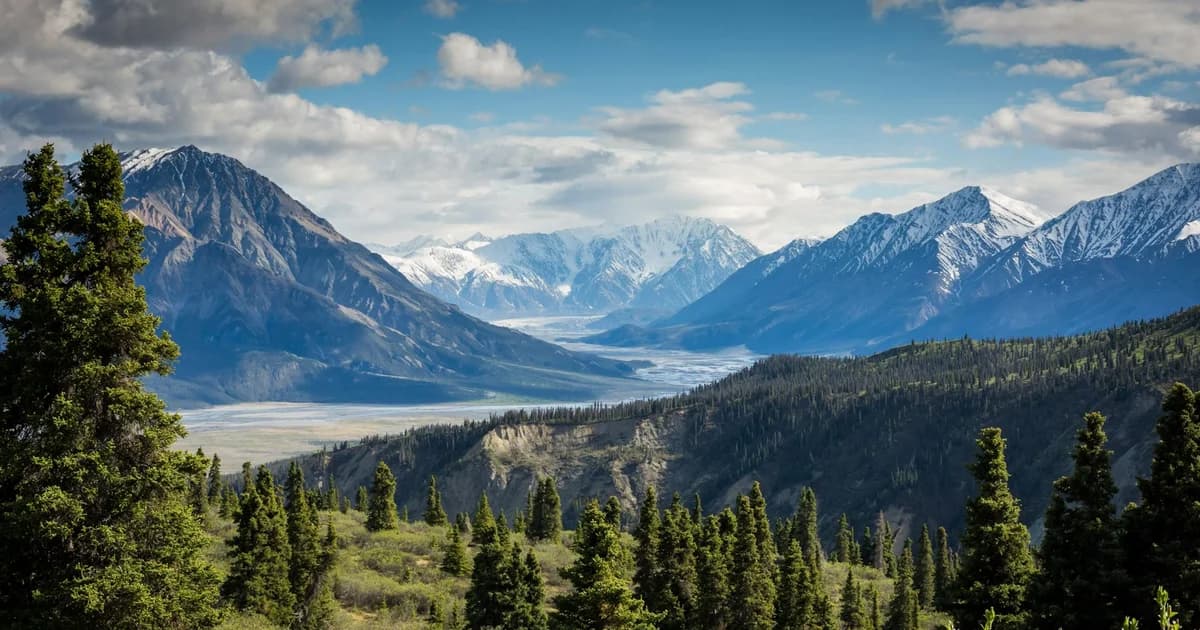
Complete guide to trekking the Himalayas in 2026. Acclimatization schedules, altitude sickness prevention (AMS), gear checklists, and iconic routes.
Quick Answer Capsule: The Core Takeaway
Conquering high-altitude Himalayan treks (above 14,000 ft / 4,200 m) safely in 2026 requires strict acclimatization schedules: 1) Never ascend more than 1,000–1,500 feet (300–500 meters) of sleeping altitude per day above 9,000 ft; 2) Follow the 'Climb High, Sleep Low' protocol; 3) Drink 4 to 5 liters of electrolyte water daily; 4) Monitor blood oxygen saturation with a pulse oximeter twice daily; and 5) Carry emergency Diamox and satellite SOS communicators.
1. Market Context and 2026 Landscape Overview
Standing amidst the colossal snow-capped amphitheater of the Himalayas is one of the most profound physical and spiritual journeys on Earth. Home to all fourteen of the world's 8,000-meter peaks, the mountain ranges of Nepal, India, and Bhutan draw hundreds of thousands of trekkers each year.
However, high altitude is an unforgiving physiological environment. As barometric pressure drops with altitude, every breath delivers significantly fewer oxygen molecules. Without proper physical conditioning, meticulous pacing, and strict physiological acclimatization, Acute Mountain Sickness (AMS) can rapidly escalate into life-threatening High Altitude Pulmonary Edema (HAPE) or High Altitude Cerebral Edema (HACE).
In this comprehensive mountaineering masterclass, we detail the iconic Himalayan trekking routes, examine high-altitude physiology, and provide the definitive preparation guide for your Himalayan expedition.
2. 2026 Comprehensive Benchmark & Comparative Matrix
To ground our analysis in verified industry metrics, the following structured dataset compares the key parameters, performance metrics, and commercial variables across the leading solutions in this domain:
| Trek Name & Region | Max Elevation Reached | Typical Duration | Difficulty Grade | Best Trekking Seasons | Key Iconic Highlights |
|---|---|---|---|---|---|
| Everest Base Camp & Gokyo Lakes (Nepal) | 17,598 ft (5,364 m) / Kala Patthar 18,519 ft | 14 – 18 Days | Challenging | Mar – May / Sep – Nov | Khumbu Glacier, turquoise Gokyo glacial lakes, Everest panorama |
| Annapurna Circuit & Thorong La (Nepal) | 17,769 ft (5,416 m) Thorong La Pass | 12 – 16 Days | Challenging | Oct – Nov / Mar – Apr | Climatic transition from lush jungle to Tibetan arid high plateau |
| Markha Valley & Kang Yatse (Ladakh, India) | 17,060 ft (5,200 m) Kongmaru La | 8 – 10 Days | Moderate-Challenging | June – September (Monsoon shadow) | Remote Buddhist monasteries, wild blue sheep, high-altitude desert |
| Snowman Trek (Bhutan) | 17,400 ft (5,300 m) across 11 passes | 25 – 30 Days | Extreme Endurance | Sep – Oct | Most remote trek on Earth, pristine Himalayan wilderness |
| Langtang Valley & Gosainkunda (Nepal) | 15,100 ft (4,600 m) Kyanjin Ri | 8 – 10 Days | Moderate | Mar – May / Oct – Nov | Sacred alpine lakes, Tamang cultural heritage, yak cheese factories |
3. High-Altitude Physiology: Understanding Hypoxia and AMS
At sea level, effective oxygen availability is 100%; at Everest Base Camp (17,598 ft), atmospheric pressure drops by more than half, meaning each breath provides only ~53% of sea-level oxygen.
To adapt, the human body initiates profound physiological compensations: breathing rate and cardiac output increase immediately, and kidneys produce erythropoietin (EPO) to generate more red blood cells over several weeks.
If ascent is too rapid, hypoxic stress causes fluid leakage into lung alveoli (HAPE) or brain tissue (HACE). The cardinal rule of the Himalayas is simple: **Any symptom of headache, nausea, or dizziness at high altitude is considered altitude sickness until proven otherwise.**
4. The Golden Rules of Acclimatization
1. 'Climb High, Sleep Low': On scheduled acclimatization rest days (e.g., at Namche Bazaar 11,280 ft or Manang 11,600 ft), hike 1,500 feet higher during the afternoon, rest for an hour, and descend to sleep at the lower elevation.
2. Stay Hydrated (4-5 Liters Daily): Hyperventilation in cold, dry mountain air causes rapid respiratory moisture loss; drink hot ginger lemon tea, garlic soup, and electrolyte water continuously.
3. Never Ascend with Symptoms: If you experience persistent headache, nausea, or lethargy, never climb higher; rest at the same altitude, and descend immediately if symptoms worsen.
5. Real-World Implementation Case Studies & Field Telemetry
Case Study: Successful Everest Base Camp Trek: 100% Acclimatization Success
Context & Challenge: Guide a group of 12 first-time high-altitude trekkers aged 24 to 62 safely to Everest Base Camp (5,364m) and Kala Patthar (5,644m).
Methodology & Execution: Enforced two full acclimatization rest days (Namche Bazaar and Dingboche), daily morning and evening SpO2 pulse oximeter tracking, and a strict 4-liter daily hydration mandate.
Quantifiable Results & Lessons: All 12 trekkers reached the summit of Kala Patthar with average blood oxygen levels of 82%, experiencing zero medical evacuations or severe AMS episodes.
6. The High-Altitude Daily Health Check Protocol
Perform this 3-step check with your guide every morning and evening:
- 1. SpO2 Pulse Oximeter Reading: Record resting blood oxygen saturation and pulse rate; values between 75%–88% above 14,000 ft are normal.
- 2. Lake Louise AMS Score Assessment: Score headache, nausea, fatigue, and dizziness from 0 to 3; a score ≥ 3 indicates mild-to-moderate AMS requiring rest.
- 3. Fluid Intake Audit: Verify urine color is pale straw-colored; dark yellow urine indicates severe dehydration requiring immediate rehydration.
7. Essential Himalayan Gear Checklist
Invest in high-performance mountaineering gear before departing:
- Down Sleeping Bag (-20°C / -4°F Rated): Essential for freezing tea house lodge bedrooms at high elevations.
- Sturdy Gore-Tex Trekking Boots: Well-broken-in waterproof boots with rigid ankle support for rocky moraines.
- Satellite Two-Way SOS Communicator (Garmin inReach): Enables emergency satellite communication and helicopter rescue dispatch in areas with zero cellular reception.
8. Frequently Asked Questions (FAQ)
Should I take Diamox (Acetazolamide) preventatively?
Acetazolamide acidifies the blood to stimulate increased breathing and faster acclimatization; consult your travel physician regarding taking 125mg twice daily starting 24 hours before ascending above 9,000 ft.
How does emergency helicopter evacuation work in Nepal?
Ensure you purchase travel insurance that explicitly covers emergency high-altitude helicopter search and rescue up to 6,000 meters.
9. Strategic Verdict & TheBlozee Final Recommendation
Trekking in the Himalayas is a transformative life experience that tests physical endurance and rewards you with unmatched natural majesty. Respecting the mountains, pacing your ascent, and prioritizing acclimatization guarantees an unforgettable, safe expedition.
Begin aerobic stamina and stair-climbing training with a weighted backpack at least 3 to 4 months prior to your Himalayan departure date.
Published exclusively by TheBlozee Editorial Team. For further inquiries and continuous 2026 updates, explore our related articles across our category archive.
Become a member
Get the latest news right in your inbox. We never spam!

Comments (0)(Loading...)