


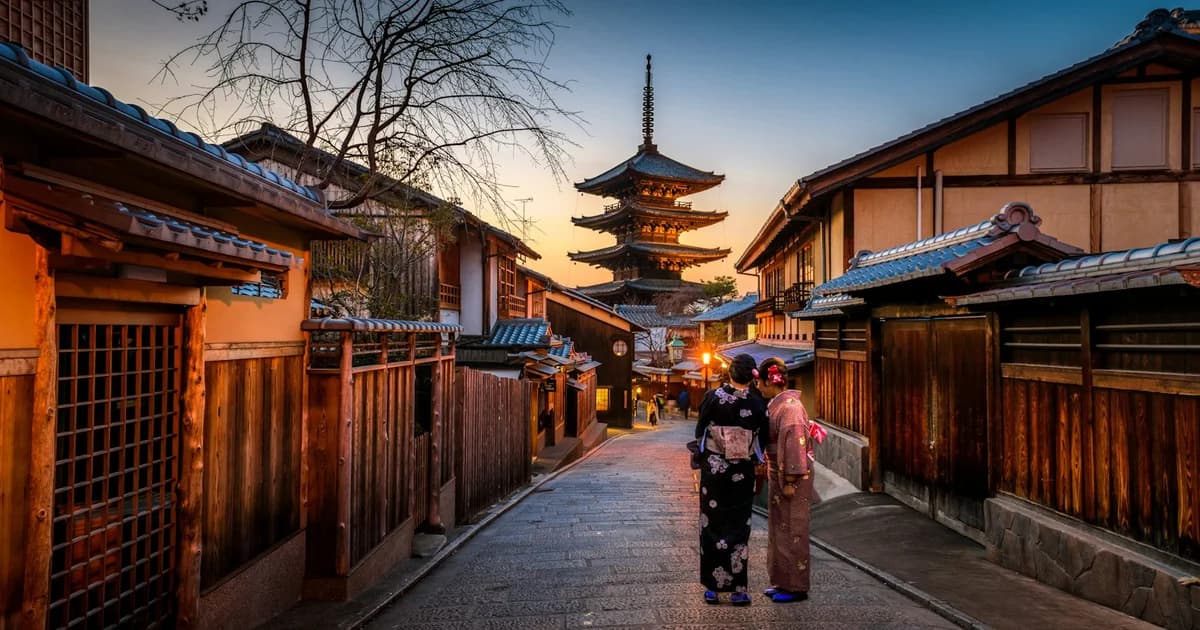
Experience Japan's magical autumn foliage (Koyo) and traditional onsen ryokans in 2026. Discover Hakone, Nikko, Kurokawa Onsen, Takayama, and Tohoku.
Quick Answer Capsule: The Core Takeaway
The top 8 autumn foliage (Koyo) and onsen retreats in Japan for 2026 are: 1) Kurokawa Onsen (Kumamoto, Kyushu); 2) Nikko National Park (Tochigi); 3) Hakone & Lake Ashi (Kanagawa); 4) Nyuto Onsen (Akita, Tohoku); 5) Takayama & Shirakawa-go (Gifu); 6) Kinosaki Onsen (Hyogo); 7) Jozankei Onsen (Hokkaido); and 8) Arashiyama & Mount Hiei (Kyoto). Peak vibrant red and golden maple foliage occurs between mid-October in northern Tohoku/Hokkaido and late November in central/southern Japan.
1. Market Context and 2026 Landscape Overview
While Japan's spring cherry blossom (*Sakura*) season captures global attention, seasoned travelers know that autumn (*Koyo*) is the country's most enchanting season. From late September through late November, sweeping waves of crimson Japanese maples (*Momiji*) and brilliant golden ginkgo trees transform mountain valleys, ancient Shinto shrines, and serene zen gardens into living masterpieces.
The quintessential Japanese autumn experience is staying in a traditional **Ryokan** (Japanese inn). Guests sleep on fragrant tatami mats, feast on multi-course **Kaiseki** seasonal banquets featuring autumn matsutake mushrooms and sweet persimmons, and soak in therapeutic outdoor thermal hot springs (*Rotenburo*) surrounded by falling red leaves.
In this comprehensive cultural travel guide, we reveal the top eight autumn onsen sanctuaries across Japan, detail onsen etiquette, and share the 2026 Koyo forecast timeline.
2. 2026 Comprehensive Benchmark & Comparative Matrix
To ground our analysis in verified industry metrics, the following structured dataset compares the key parameters, performance metrics, and commercial variables across the leading solutions in this domain:
| Onsen Retreat & Prefecture | Peak Foliage Timing | Thermal Spring Water Type | Must-Experience Highlight | Transit from Tokyo / Kyoto |
|---|---|---|---|---|
| Kurokawa Onsen, Kyushu | Late Oct – Mid Nov | Sulfur, Iron, Sodium Bicarbonate (7 types) | Wooden 'Onsen-Hopping' pass (*Nyuto Tegata*) | Fly Kumamoto / Fukuoka + scenic bus |
| Nikko National Park, Tochigi | Mid Oct – Early Nov | Alkaline Simple Thermal Spring | Lake Chuzenji, Kegon Falls & Toshogu Shrine | 2 hours via Tobu Nikko Line from Tokyo |
| Hakone, Kanagawa | Late Oct – Late Nov | Clear Sodium Chloride Spring | Views of Mount Fuji across Lake Ashi | 85 mins on Odakyu Romancecar from Shinjuku |
| Nyuto Onsen-kyo, Akita (Tohoku) | Mid Oct – Late Oct | Milky White Sulfuric Healing Waters | Tsurunoyu: 350-year-old thatched-roof ryokan | Akita Shinkansen to Tazawako + 45 min bus |
| Takayama & Shirakawa-go, Gifu | Mid Oct – Early Nov | Clear Carbonated Spring | Preserved Edo-period merchant streets & Gassho farmhouses | Hida Wide View Express train from Nagoya |
| Kinosaki Onsen, Hyogo | Early Nov – Late Nov | Chloride Springs (Retains body warmth) | Strolling 7 historic public onsens in traditional Yukata robes | 2.5 hours via JR Limited Express from Kyoto/Osaka |
| Jozankei Onsen, Hokkaido | Late Sep – Mid Oct | Sodium Chloride Springs | Hoheikyo Dam gorge hiking & illuminated foliage | 1 hour direct bus from Sapporo |
| Arashiyama & Sagano, Kyoto | Mid Nov – Early Dec | Alkaline Relaxing Thermal Waters | Sagano Romantic Train ride through fiery river gorge | 20 mins via San-in Main Line from Kyoto Station |
3. The Art of the Ryokan and Kaiseki Dining Experience
A stay at a traditional ryokan is a holistic immersion in Japanese *Omotenashi* (mindful hospitality). Upon arrival, guests change into comfortable cotton **Yukata** robes and wooden geta clogs.
In the evening, a multi-course seasonal **Kaiseki Dinner** is served in your private room. Every dish is a culinary reflection of the autumn season: featuring freshly caught sweetfish (*Ayu*), simmered mountain root vegetables, seasonal Wagyu beef cooked on a Hoba leaf, and autumn chestnut rice.
4. The Sacred Rituals of Onsen Etiquette
Thermal bathing in Japan is a mindful spiritual and physical purification ritual. To respect local customs:
1. Wash thoroughly with soap and shampoo at the shower stalls before stepping into the communal bath water.
2. Never wear swimsuits into traditional onsen baths—bathers enter fully unclothed.
3. Keep your modesty towel out of the bathwater (place it on your head or beside the pool).
4. Soak quietly, enjoying the mineral vapors and natural outdoor landscape.
5. Real-World Implementation Case Studies & Field Telemetry
Case Study: 5-Day Tohoku Autumn Hot Spring Expedition
Context & Challenge: Experience authentic rural onsen culture away from crowded Kyoto temples during peak October autumn leaves.
Methodology & Execution: Traveled via JR East Rail Pass to Akita's secluded Nyuto Onsen valley, staying at the historic Tsurunoyu Ryokan.
Quantifiable Results & Lessons: Soaked in outdoor thermal baths beneath golden birch trees, enjoyed charcoal-hearth *Irori* cooking, and encountered zero large tour bus crowds.
6. The 2026 Koyo Autumn Travel Protocol
Plan your Japanese autumn holiday for peak foliage timing:
- 1. Follow the Autumn Leaf Forecast (Koyo Zensen): Unlike cherry blossoms that move south to north, autumn foliage moves from northern Hokkaido in September down to southern Kyushu in late November.
- 2. Reserve Ryokans 4-6 Months in Advance: Top historic countryside ryokans have limited rooms (often only 10–20 suites) and book out months ahead for autumn weekends.
- 3. Purchase Regional JR Rail Passes: Save significantly on Shinkansen bullet train travel by buying targeted regional rail passes (e.g., JR East Tohoku or JR Kyushu Pass).
- 4. Check Tattoo Policies Ahead of Time: While attitudes are modernizing, some historic public onsens restrict visible tattoos; book ryokans with private *Kashikiri* rental baths if you have tattoos.
7. Ryokan Packing & Comfort Essentials
Pack appropriately for crisp countryside autumn weather:
- Slip-On Walking Shoes: Essential for effortless shoe removal when entering traditional temples, ryokans, and restaurants.
- Thermal Layering Jacket: Mountain temperatures drop into the 40s°F (5°C–8°C) during crisp autumn evenings.
- Moisturizing Skin Balm: Natural mineral hot springs are detoxifying; applying lotion after bathing keeps skin supple.
8. Frequently Asked Questions (FAQ)
Can people with tattoos bathe in Japanese onsens?
Many modern ryokans welcome tattooed guests or provide waterproof cover stickers; booking a room with a private in-room open-air hot spring (*Rotenburo-tsuki*) guarantees 100% private, unrestricted bathing.
What is the best time of year to see red maple leaves in Kyoto?
In Kyoto and central Honshu, peak fiery red maple foliage consistently occurs between November 15th and December 5th.
9. Strategic Verdict & TheBlozee Final Recommendation
Japan's autumn onsen retreats offer one of the most serene, culturally rich, and rejuvenating travel experiences on Earth. The combination of steaming mineral waters, fiery red foliage, and exquisite seasonal cuisine is pure poetry.
Book a 2-night stay in a secluded countryside onsen town like Kurokawa or Nikko to experience the peaceful soul of rural Japan.
Published exclusively by TheBlozee Editorial Team. For further inquiries and continuous 2026 updates, explore our related articles across our category archive.
Become a member
Get the latest news right in your inbox. We never spam!

Comments (0)(Loading...)