


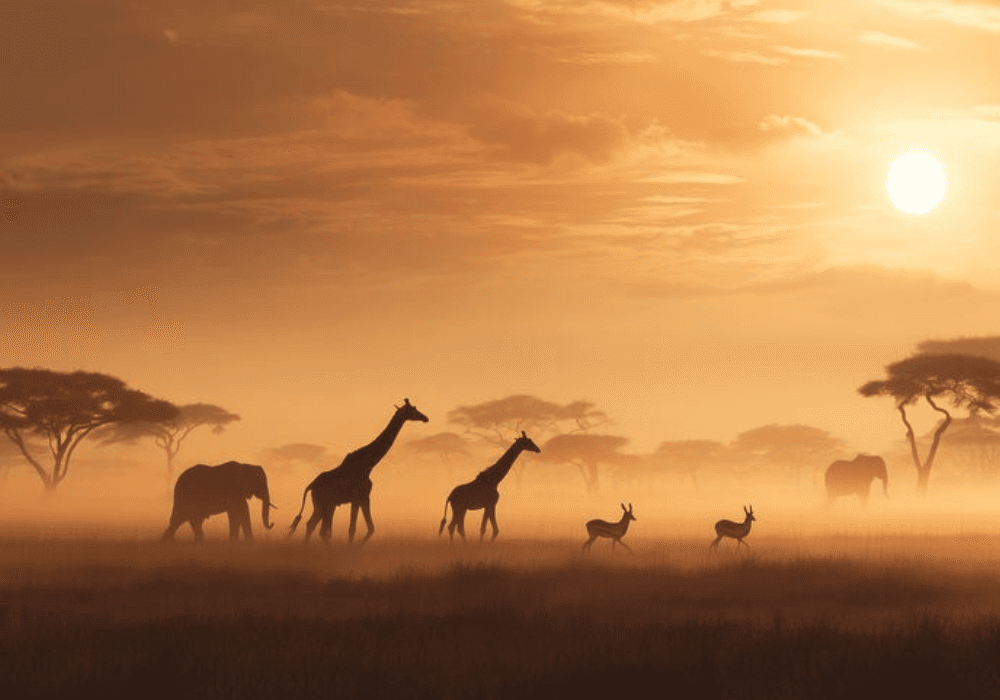
Learn about national reserves, wildlife parks, and endangered species like bears, with simple travel advice for responsible and ethical wildlife visits.
If you’ve ever visited a national reserve, you already know one thing: you can’t rush it. You can’t treat it like a regular tourist spot. A reserve works on its own time, and wildlife sightings depend on weather, timing, noise, and luck.
Some people return excited after spotting deer, birds, and maybe even a predator from a distance. Others come back saying they didn’t see much. Both experiences can happen on the same day in the same forest. That’s because a national reserve isn’t designed around your camera. It’s designed around conservation.
The purpose is to protect national wildlife, prevent habitat loss, and create a safe space for animals, including bears and the most endangered species that cannot survive outside protected ecosystems.
This guide is for anyone who wants clear, practical information. What exactly is a national reserve? How is it different from a wildlife park? What wildlife can you realistically expect to see? And what should you do to visit responsibly?
What Is a National Reserve?
A national reserve is a legally protected area set aside to conserve habitats, ecosystems, and wildlife populations. The goal is not entertainment. The goal is long-term protection of nature.
A reserve can include forests, wetlands, grasslands, mountains, rivers, and coastal ecosystems. The level of protection varies by country, but the intention is the same everywhere: to limit harmful activities and support conservation.
Most national reserves focus on:
-
Protecting habitats for animals and birds
-
Conserving and restoring forests
-
Monitoring wildlife populations
-
Strengthening anti-poaching efforts
-
Supporting breeding and recovery programs
-
Allowing regulated tourism only in selected zones
Many reserves also support scientific research. Teams track population numbers, migration patterns, breeding success, and disease risks. This data helps wildlife departments and conservation groups make better decisions.
Why National Wildlife Protection Matters
When people hear the word wildlife, they usually think of large animals. But wildlife includes everything that lives within an ecosystem, including birds, insects, reptiles, amphibians, plants, and fish.
Protecting national wildlife matters because ecosystems run in balance. Herbivores shape vegetation. Predators control herbivore populations. Birds and insects support pollination. Wetlands help filter water. Forests protect soil and influence rainfall patterns.
When wildlife declines, ecosystems weaken. Over time, this affects water availability, agriculture, and climate stability. A national reserve helps reduce that risk by protecting habitats before they become fragmented or damaged beyond recovery.
National Reserve vs Wildlife Park: What’s the Difference?
These terms are often used together, but they are not identical.
A national reserve is primarily conservation-focused. Its main purpose is to protect ecosystems and wildlife habitats. Public entry is often limited to specific areas.
A wildlife park is usually designed for regulated tourism. It typically includes safari routes, visitor zones, trained guides, and basic infrastructure to help people observe wildlife responsibly.
In some regions, a wildlife park is located inside a national reserve. In other cases, it is managed separately. The difference is mainly about purpose and access.
A national reserve protects the ecosystem at a broader level.
A wildlife park provides controlled access without opening the entire habitat to disturbance.
What Wildlife Can You Expect to See in a National Reserve?
It helps to set expectations before you visit. Wildlife sightings are never guaranteed, even in the best reserves. Animals move based on temperature, food availability, breeding cycles, and human disturbance.
In many national reserves, visitors commonly spot:
-
Deer and other herbivores
-
Monkeys and small mammals
-
Reptiles such as lizards, snakes, and crocodiles in wet zones
-
Birds, including raptors and water birds
Predators may be present but harder to spot. Many rest during hot hours and avoid noisy areas. This is why early morning and late afternoon are typically the best times for a safari.
Even when you don’t spot rare animals, signs like bird activity, fresh tracks, and healthy vegetation still indicate a functioning ecosystem.
Bears in National Reserves: Habitat, Behavior, and Safety
Bears are widely searched because they are powerful, fascinating, and rare to see in the wild. Most bear species depend on large, uninterrupted habitats. They travel long distances in search of food and safe movement corridors.
Bear populations face pressure due to:
-
Habitat loss and shrinking forest cover
-
Roads and construction that break wildlife corridors
-
Reduced food availability linked to climate change
-
Human-wildlife conflict near villages
-
Illegal hunting and poaching
A national reserve helps protect bears by preserving forest landscapes and limiting disturbance. Stable bear populations can also indicate healthy biodiversity and a strong food chain.
If you ever spot bears in the wild, distance is essential. Wildlife tourism should never pressure an animal to react. Keeping space protects both visitors and animals.
Most Endangered Species: Why National Reserves Are Essential
The most endangered species are those facing a high risk of extinction in the wild. This usually happens over time, not overnight. Populations decline when habitats shrink, breeding becomes harder, and threats increase.
Common reasons why species become endangered include:
-
Habitat loss and fragmentation
-
Poaching and illegal wildlife trade
-
Pollution is affecting forests and rivers
-
Climate change is impacting food and breeding cycles
-
Increased human-wildlife conflict
National reserves reduce these threats by protecting habitats, restricting harmful activity, and supporting conservation programs. In many cases, recovery is only possible when a species has a safe, stable environment to live and reproduce.
The simplest truth in conservation is this: wildlife survival depends on habitat survival.
National Wildlife Federation and Conservation Awareness
The National Wildlife Federation is known for wildlife education, conservation awareness, and habitat protection initiatives. Organizations like this help people understand the real challenges facing wildlife and encourage responsible choices.
Awareness matters because wildlife conservation depends on long-term support. Better understanding leads to better tourism practices, stronger environmental policies, and greater respect for protected areas.
Best Time to Visit a National Reserve or Wildlife Park
The best time to visit depends on the region, but dry seasons are often ideal for wildlife travel.
Dry seasons usually offer better sightings because:
-
Roads are easier to travel on
-
Vegetation is less dense
-
Visibility improves
-
Animals gather near water sources
Early mornings and late afternoons are typically the best time slots, as many animals are more active during cooler hours. Weekdays often feel quieter than weekends, which can improve both the experience and the chances of sightings.
How to Visit a National Reserve Responsibly
A national reserve is an animal’s habitat, so responsible behavior matters more here than anywhere else.
To visit responsibly:
-
Keep your voice low during safaris
-
Avoid playing music or shouting
-
Never feed animals
-
Never throw food or waste outside vehicles
-
Avoid flash photography
-
Stay on permitted routes
-
Follow your guide’s instructions
-
Carry all litter back, especially plastic
Respectful travel reduces stress on wildlife and keeps habitats safer for everyone.
What to Pack for a National Reserve Visit
Packing well makes a reserve visit more comfortable and safer.
Carry:
-
Neutral-colored, breathable clothes
-
Comfortable walking shoes
-
Sunscreen and insect repellent
-
Water bottle and basic medicines
-
Power bank
-
Binoculars for better viewing
Avoid strong perfumes and bright colors, especially in dense forest areas. They can attract insects and disturb wildlife behavior.
Personal Care Services and Travel Comfort
Wildlife trips often involve early starts, long drives, dust, and sun exposure. Many travelers feel tired after a full day in forest zones.
This is where personal care services can be useful. Simple recovery steps like proper hydration, rest, and basic skincare help you stay comfortable across multi-day trips. When your body feels better, the travel experience improves too.
Why National Reserves and Wildlife Parks Matter for the Future
A national reserve protects more than animals. It protects forests, water sources, soil health, and biodiversity that cannot be replaced once it is lost.
Healthy reserves also reduce long-term environmental damage and support climate stability. Most importantly, they help ensure future generations can experience wildlife in real ecosystems, not only through videos or books.
FAQs: National Reserve and Wildlife Travel
What is a national reserve?
A national reserve is a legally protected area created to conserve wildlife, habitats, and biodiversity through conservation rules and restricted activities.
Is a wildlife park the same as a national reserve?
Not always. A wildlife park is usually designed for regulated tourism and visitor access, while a national reserve focuses more on ecosystem and habitat protection.
Can you see bears in a national reserve?
Yes, in regions where bear populations exist. Sightings depend on season, habitat, and animal movement, so they are not guaranteed.
Why do endangered species need national reserves?
The most endangered species need national reserves because they require safe habitats for breeding and survival with reduced human disturbance.
How can visitors support wildlife conservation?
Visitors can support conservation by following rules, maintaining distance, not feeding animals, avoiding litter, and choosing ethical wildlife tourism practices.
Final Thoughts
A national reserve is not meant to entertain you. It exists to protect ecosystems at scale. If you visit with patience and respect, the experience becomes more meaningful.
You start noticing how habitats support wildlife movement, why conservation rules exist, and why responsible tourism matters. A well-managed wildlife park offers safe access, while a national reserve protects the broader ecosystem.
Most importantly, protecting national wildlife and the most endangered species begins with protecting habitats. That is exactly what a national reserve is built to do.
Read next: Top 7 Scenic Forest Treks in India for Nature Lovers
Become a member
Get the latest news right in your inbox. We never spam!

Comments (0)(Loading...)