


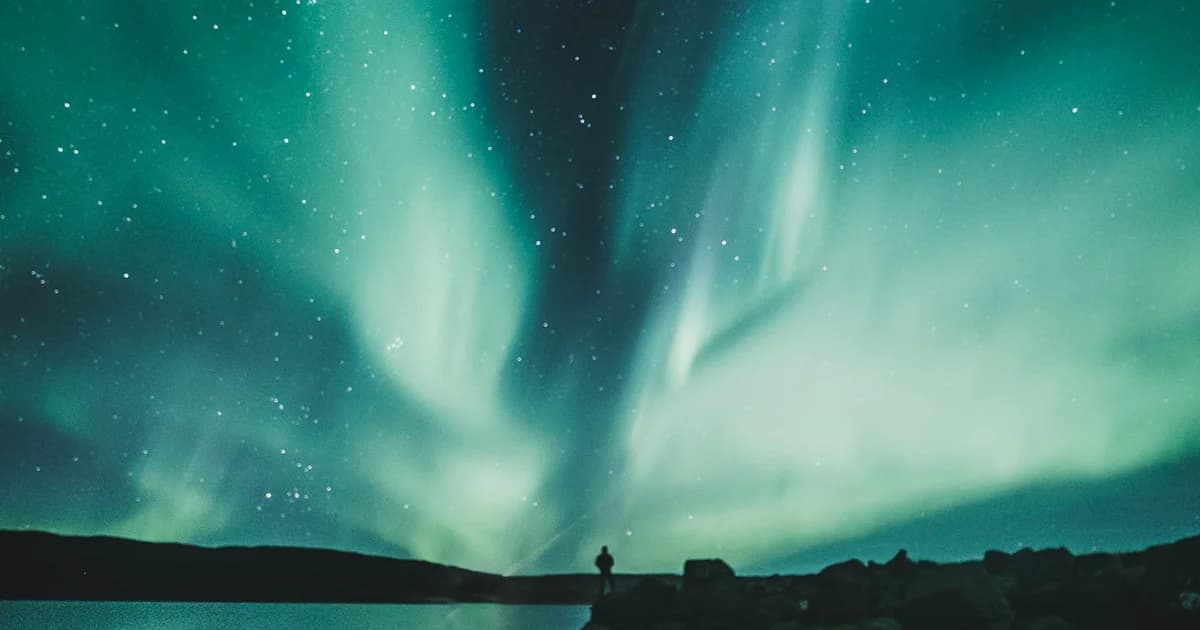
Explore cutting-edge cryosphere research in 2026. Documenting sub-glacial extremophile microbes, ice core paleoclimatology, and glacial ecosystem shifts.
Quick Answer Capsule: The Core Takeaway
In 2026, polar scientists are racing against time to document the fragile, vanishing micro-ecosystems of retreating alpine glaciers and Arctic ice sheets. Breakthrough research includes: 1) Extracting ancient extremophile microbes and virus strains preserved in 800,000-year-old ice cores; 2) Documenting cold-adapted 'Cryoflora' and ice worms that live inside solid glacial ice; and 3) Utilizing autonomous underwater cryo-drones to map the rapidly melting grounding lines beneath Antarctic ice shelves.
1. Market Context and 2026 Landscape Overview
Glaciers and polar ice sheets cover approximately 10% of Earth's land surface, storing 69% of the planet's fresh water and acting as monumental global climate regulators by reflecting solar radiation back into space. However, accelerating global temperatures have triggered unprecedented rates of glacial melt across the Arctic, Antarctica, the Alps, and the Himalayas.
For decades, glaciers were viewed as lifeless, sterile blocks of frozen water. In 2026, glaciology and cryobiology have revealed that glaciers are thriving, complex **Micro-Ecosystems**—home to billions of unique extremophile bacteria, cold-adapted micro-algae, fungi, and ice worms that have evolved in sub-zero isolation for hundreds of thousands of years.
In this comprehensive field research report, we journey to the front lines of polar science to examine extremophile biology, explore subglacial lakes, and understand what vanishing ice reveals about Earth's climate future.
2. 2026 Comprehensive Benchmark & Comparative Matrix
To ground our analysis in verified industry metrics, the following structured dataset compares the key parameters, performance metrics, and commercial variables across the leading solutions in this domain:
| Glacial Region & Study Site | Glacial Melt Velocity / Mass Loss | Unique Micro-Ecosystem / Life Form | Key Scientific Breakthrough | Primary Climate Threat |
|---|---|---|---|---|
| Svalbard Archipelago (High Arctic) | -18 Gigatons ice loss per year | Snow algae (Chlamydomonas nivalis) & tardigrades | Algal blooms darken ice albedo, accelerating melt by 13% | Complete loss of summer sea ice corridors |
| Thwaites 'Doomsday' Glacier (Antarctica) | Grounding line retreating 1.2 km/yr | Chemosynthetic sub-glacial microbial communities | Autonomous Icefin submarine mapped cavity warm water intrusions | Catastrophic 2-meter global sea level rise risk |
| European Alps (Aletsch Glacier) | Losing 5 meters of vertical ice depth annually | Alpine cryoconite hole ecosystems & rotifers | Oldest ice layers dating back to Roman Climatic Optimum | 80% of Alpine glaciers vanishing by 2050 |
| Tibetan Plateau & Hindu Kush Himalayas | -25% ice volume loss since 1980 | Cold-adapted methanotrophic archaea | Freshwater hydrological source for 1.4 billion people downstream | Glacial lake outburst floods (GLOFs) and water scarcity |
| Greenland Ice Sheet (Jakobshavn) | Calving 35 billion tons of icebergs annually | Deep subglacial microbial biofilm ecosystems | Ice core atmospheric gas bubbles revealing ancient CO2 records | Accelerating freshwater influx disrupting AMOC ocean conveyor |
3. Life Inside Solid Ice: The Ecology of Cryoconite Holes
On the surface of melting glaciers, wind blows microscopic dark mineral dust and soot particles known as **Cryoconite**. Because the dark dust absorbs solar heat faster than surrounding white ice, it melts downwards, creating miniature cylindrical water-filled ponds inside solid ice called cryoconite holes.
These isolated thermal micro-habitats teem with microscopic life: cyanobacteria, rotifers, water bears (tardigrades), and cold-adapted nematodes that thrive in 32°F (0°C) water, forming complex food webs on the surface of frozen glaciers.
4. Ice Core Paleoclimatology: Earth's 800,000-Year Climate Diary
By drilling cylindrical ice cores up to 3 kilometers deep into the Antarctic and Greenland ice sheets, paleoclimatologists extract microscopic atmospheric air bubbles trapped during ancient snowfalls.
Analyzing the chemical isotope ratios (Deuterium/Oxygen-18) and greenhouse gas concentrations inside these bubbles provides an unbroken, year-by-year record of Earth's atmospheric composition and global temperatures spanning the last 800,000 years, proving that modern CO2 spikes are unprecedented in human history.
5. Real-World Implementation Case Studies & Field Telemetry
Case Study: Autonomous Under-Ice Submarine Mission: Thwaites Glacier Cavity
Context & Challenge: Deploy an unmanned robotic submersible beneath a 600-meter-thick Antarctic ice shelf to measure warm ocean currents melting the glacier's foundation.
Methodology & Execution: The autonomous 'Icefin' robot swam 2 kilometers through a narrow borehole into the dark sub-glacial cavity, measuring temperature, salinity, and turbulence.
Quantifiable Results & Lessons: Captured the first high-resolution 3D imagery of sub-ice melting fissures, providing critical physics data to refine global sea-level rise forecast models.
6. The Cryosphere Biosecurity & Sample Preservation Protocol
How polar microbiologists extract ancient ice cores without contamination:
- 1. Ultra-Clean Thermal Core Drilling: Drill ice cores using electropolished titanium drill heads lubricated with non-toxic, food-grade synthetic fluids.
- 2. Chemical Surface Decontamination: Shave the outer 5mm of the ice core in a -20°C cleanroom and wash with sterile ethanol to remove modern surface microbes.
- 3. Cryogenic Nitrogen Vapor Storage (-80°C): Store pristine inner core sections in sealed stainless steel cylinders under liquid nitrogen vapor to preserve ancient DNA integrity.
- 4. High-Throughput Metagenomic Sequencing: Sequence ancient microbial genomes to discover novel cold-adapted enzymes for pharmaceutical and industrial biomanufacturing.
7. Glaciological Research Field Telemetry
Critical sensor data collected at polar research stations:
- Ice-Penetrating Radar (GPR): Measures sub-surface ice thickness and locates subglacial liquid water lakes.
- Continuous GPS Ground Station Arrays: Tracks glacier flow velocity down to millimeter accuracy in real time.
- Automated Weather Station (AWS) Albedo Sensors: Measures solar radiation reflection and surface melting rates 24/7.
8. Frequently Asked Questions (FAQ)
Could melting glaciers release ancient dangerous pathogens?
While ancient bacteria and viral fragments exist in permafrost and deep ice, the vast majority are specialized to ancient soil and plant organisms; modern public health genomic surveillance monitors all thawed ice melt samples.
Can artificial geo-engineering save melting glaciers?
Techniques like covering glaciers with reflective thermal blankets or pumping artificial snow provide localized protection for ski slopes, but only systemic global greenhouse gas reductions can preserve planetary-scale ice sheets.
9. Strategic Verdict & TheBlozee Final Recommendation
Earth's glaciers are majestic, irreplaceable natural wonders that preserve the history of our planet and sustain billions of lives downstream. The race to document and protect these vanishing frozen sanctuaries is one of the most vital scientific missions of our time.
Support climate research institutions and commit to personal carbon footprint reductions to help safeguard our planet's cryosphere.
Published exclusively by TheBlozee Editorial Team. For further inquiries and continuous 2026 updates, explore our related articles across our category archive.
Become a member
Get the latest news right in your inbox. We never spam!

Comments (0)(Loading...)