


Comprehensive guide to healing the gut microbiome in 2026. Prebiotics, postbiotics (butyrate), leaky gut repair, the vagus nerve, and mental health connections.
Quick Answer Capsule: The Core Takeaway
Restoring the gut microbiome in 2026 centers on cultivating microbial diversity and optimizing the Brain-Gut Axis. Clinically backed protocols: 1) Consume 30+ diverse plant species weekly to feed beneficial bacterial strains; 2) Increase Short-Chain Fatty Acids (SCFAs) like Butyrate through resistant starches and postbiotic supplementation; 3) Repair gut mucosal tight junctions with L-Glutamine and Zinc Carnosine; and 4) Support the vagus nerve with daily fermented foods.
1. Market Context and 2026 Landscape Overview
The human gastrointestinal tract houses over 38 trillion microorganisms—a complex, living ecosystem of bacteria, fungi, viruses, and archaea collectively known as the gut microbiome. Encoding over 150 times more unique genes than the entire human genome, this metabolic powerhouse regulates digestion, synthesizes essential neurotransmitters, trains the immune system, and controls systemic inflammation.
In 2026, gastroenterology has uncovered the profound biological architecture of the **Brain-Gut-Microbiome Axis**. Over 90% of the body's serotonin and 50% of its dopamine are synthesized in the gut. Through the bidirectional highway of the vagus nerve, the state of your gut bacteria directly dictates your mood, cognitive focus, resilience to anxiety, and sleep quality.
In this comprehensive clinical guide, we explore the science of microbial dysbiosis, evaluate the revolutionary field of postbiotics, and outline a step-by-step nutritional protocol to heal leaky gut and restore digestive vitality.
2. 2026 Comprehensive Benchmark & Comparative Matrix
To ground our analysis in verified industry metrics, the following structured dataset compares the key parameters, performance metrics, and commercial variables across the leading solutions in this domain:
| Microbiome Component | Definition & Mechanism | Primary Dietary / Clinical Sources | Key Biological Benefits | Dysbiosis Warning Signs |
|---|---|---|---|---|
| Probiotics (Live Microorganisms) | Beneficial living bacteria that colonize the colon | Raw fermented kefir, kimchi, sauerkraut, natto | Suppresses pathogenic bacteria, strengthens epithelial barrier | Bloating, frequent food sensitivities, irregular bowel movements |
| Prebiotics (Microbial Fuel) | Non-digestible plant fibers that feed beneficial strains | Inulin, garlic, onions, asparagus, green bananas | Stimulates selective growth of Bifidobacteria and Akkermansia | Low microbial diversity, constipation |
| Postbiotics (Metabolic Byproducts) | Bioactive compounds produced when probiotics ferment prebiotics | Short-Chain Fatty Acids (Butyrate, Acetate, Propionate) | Fuels colonocytes, reduces systemic inflammation, seals tight junctions | Leaky gut, elevated autoimmune antibodies, systemic fatigue |
| Synbiotics (Integrated Blends) | Targeted combinations of synergistic probiotics + prebiotics | Clinically formulated synbiotic medical capsules | Optimizes colony survival through acidic stomach environment | Poor response to standard single-strain probiotic pills |
3. The Vagus Nerve Highway: How Your Gut Talks to Your Brain
The vagus nerve is the longest cranial nerve in the human body, extending from the brainstem down to the digestive tract. Approximately 80% to 90% of its nerve fibers are **afferent**—meaning they transmit sensory information upward from the gut to the brain.
Beneficial gut bacteria ferment dietary fiber into neuro-active Short-Chain Fatty Acids (SCFAs) such as **Butyrate** and **GABA (gamma-aminobutyric acid)**. These signaling molecules bind to enterochromaffin cells in the gut lining, triggering electrical signals along the vagus nerve that promote calming parasympathetic tone in the brain.
4. Healing 'Leaky Gut' (Intestinal Permeability)
The intestinal epithelial barrier is only a single cell layer thick, held together by protein structures called tight junctions (Claudins and Occludins). Chronic consumption of ultra-processed emulsifiers, chronic alcohol intake, unmanaged psychological stress, and frequent NSAID use degrade this mucosal lining.
When tight junctions open, bacterial lipopolysaccharides (LPS) leak into the bloodstream, triggering widespread systemic inflammation. Repairing this barrier requires targeted micronutrients: **L-Glutamine** (the primary fuel source for enterocytes), **Zinc Carnosine** (which stimulates mucosal healing), and **Akkermansia muciniphila** probiotics that thicken the protective mucin layer.
5. Real-World Implementation Case Studies & Field Telemetry
Case Study: Clinical Trial: 8-Week High-Fermented Food Diversity Diet
Context & Challenge: Investigate whether increasing fermented food intake in 40 healthy adults enhances microbial diversity and reduces systemic inflammatory biomarkers.
Methodology & Execution: Participants consumed 4 to 6 servings of diverse fermented foods daily (kefir, fermented vegetables, kombucha) for 8 weeks.
Quantifiable Results & Lessons: Participants demonstrated a statistically significant 35% increase in overall gut microbiome alpha-diversity and a dramatic decrease in 19 inflammatory cytokines (including IL-6).
6. The 4R Gut Healing Protocol
A functional medicine framework to restore gastrointestinal health:
- 1. REMOVE Irritants and Dysbiotic Triggers: Eliminate ultra-processed seed oils, refined sugars, artificial sweeteners (sucralose/aspartame), and unnecessary NSAID pain relievers.
- 2. REPLACE Digestive Enzymes & Hydrochloric Acid: Support stomach acid production with betaine HCl and broad-spectrum plant digestive enzymes before heavy meals.
- 3. REINOCULATE with Diverse Probiotics & Prebiotics: Eat 30+ unique plant foods weekly and incorporate 2 servings of live fermented foods daily.
- 4. REPAIR the Intestinal Mucosal Barrier: Supplement daily with 5g of pharmaceutical-grade L-Glutamine, Zinc Carnosine (75mg), and bone broth collagen.
7. The 30-Plants-Per-Week Diversity Scorecard
Count each unique plant category towards your weekly 30-plant diversity goal:
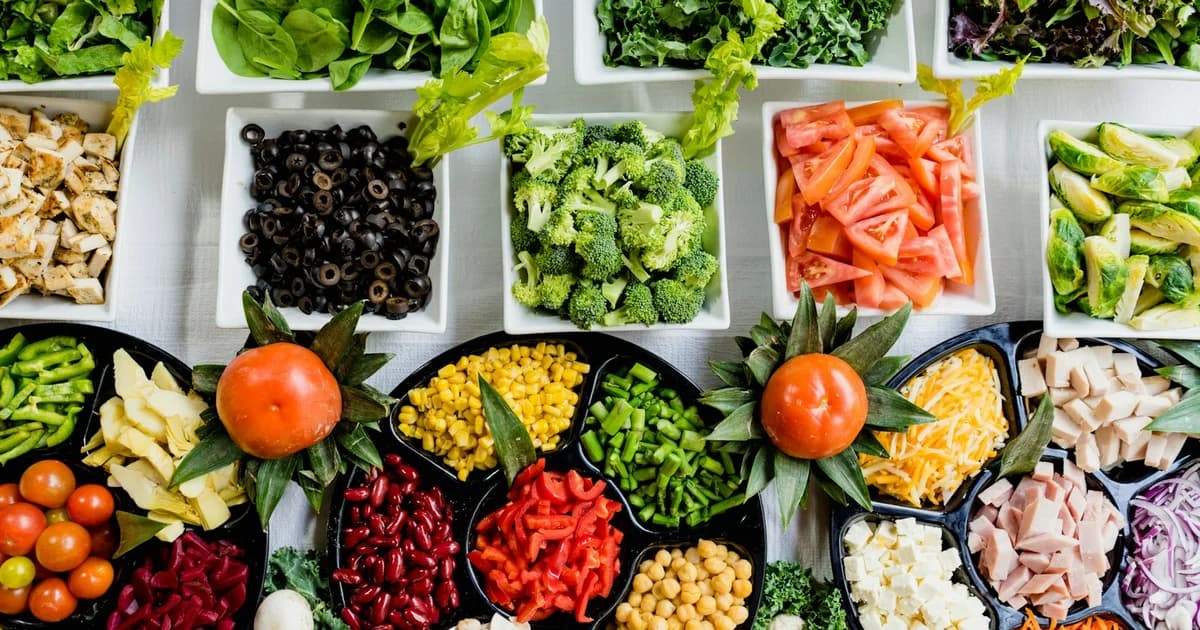
- Fibrous Vegetables: Broccoli, spinach, kale, artichokes, asparagus, carrots, beets.
- Polyphenol-Rich Fruits: Wild blueberries, raspberries, blackberries, pomegranate, apples with skin.
- Nuts, Seeds & Legumes: Walnuts, almonds, chia seeds, flaxseeds, lentils, chickpeas.
8. Frequently Asked Questions (FAQ)
How long does it take to heal a damaged gut microbiome?
Significant microbial shifts and reduced inflammation occur within 2 to 4 weeks of adopting a high-fiber, fermented diet; full mucosal repair of tight junctions typically takes 8 to 12 weeks.
Are commercial probiotic pills necessary if I eat fermented foods?
For general wellness, whole fermented foods provide superior microbial diversity; targeted spore-based or synbiotic capsules are recommended following antibiotic courses or for specific clinical conditions.
9. Strategic Verdict & TheBlozee Final Recommendation
Your gut microbiome is the biological foundation of your physical and emotional well-being. Feeding your inner microbial garden with diverse whole plant fibers and fermented foods unlocks vibrant energy, robust immunity, and unshakeable mental clarity.
Aim to add 5 new diverse plant species (seeds, vegetables, spices) to your grocery cart this week to boost your gut microbial diversity.
Published exclusively by TheBlozee Editorial Team. For further inquiries and continuous 2026 updates, explore our related articles across our category archive.
Become a member
Get the latest news right in your inbox. We never spam!

Comments (0)(Loading...)