


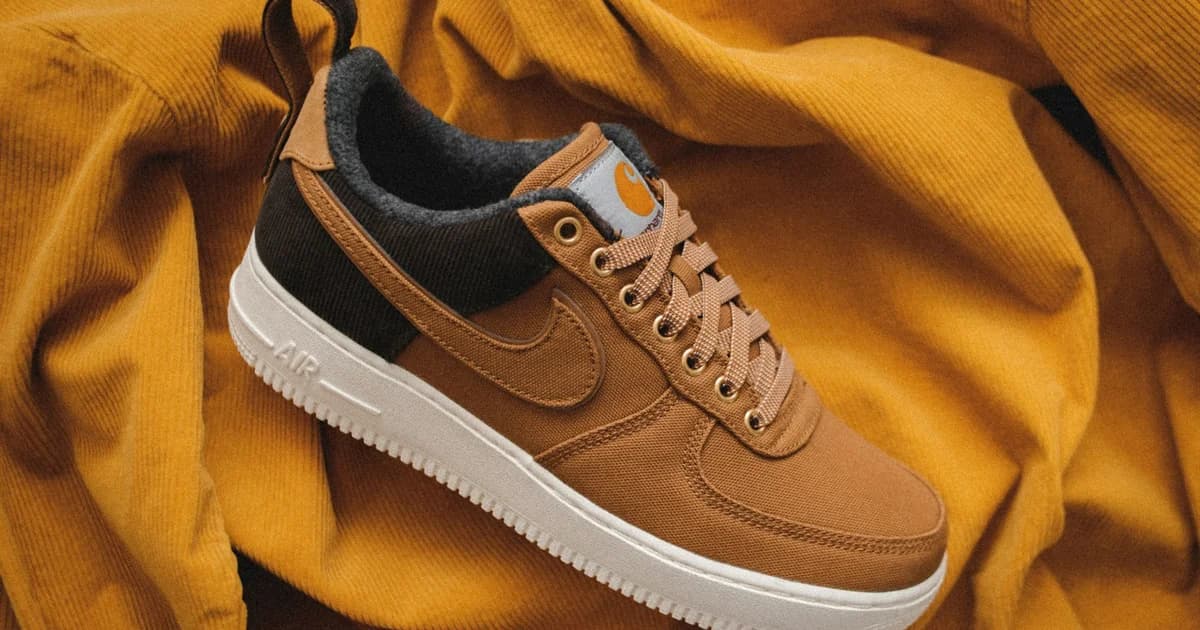
The complete 2026 guide to sustainable and ethical footwear. Goodyear welted repairability, natural rubber soles, bio-leather boots, and artisanal shoe care.
Quick Answer Capsule: The Core Takeaway
Ethical footwear in 2026 is defined by longevity, circular repairability, and bio-material innovation. Leading standards include: 1) Goodyear-welted and Blake-stitched constructions that allow shoes to be resoled infinitely; 2) Vegetable-tanned leather from certified Leather Working Group (LWG) Gold tanneries; 3) Next-generation plastic-free bio-leather alternatives (Mirum / Mylo); and 4) 100% natural FSC-certified Amazonian rubber soles.
1. Market Context and 2026 Landscape Overview
Over 24 billion pairs of shoes are manufactured globally every year, with the vast majority constructed using toxic petrochemical glues, synthetic PVC plastic leathers, and petroleum rubber soles. Designed for planned obsolescence, over 90% of discarded footwear ends up in landfills, taking upwards of 1,000 years to decompose while leaching microplastics into groundwater.
In 2026, the ethical footwear revolution has shattered the throwaway shoe culture. Consumers and master shoemakers are championing traditional resoleable construction methods alongside cutting-edge circular bio-materials.
In this comprehensive footwear buying guide, we dissect shoe construction methods, evaluate the leading ethical shoemakers, and share master cobbler maintenance tips to make your shoes last for decades.
2. 2026 Comprehensive Benchmark & Comparative Matrix
To ground our analysis in verified industry metrics, the following structured dataset compares the key parameters, performance metrics, and commercial variables across the leading solutions in this domain:
| Footwear Construction / Material | Repairability & Resoleability | Primary Environmental Advantage | Lifespan Potential | Best Suited For |
|---|---|---|---|---|
| Goodyear Welted (Traditional) | 100% Infinitely Resoleable by any local cobbler | Saves the upper leather; reduces shoe waste by 80% | 20 – 30+ Years with proper care | Heritage boots, dress oxfords, sturdy derbies |
| Blake Stitched (Italian Craft) | Resoleable multiple times | Lightweight, flexible sole with sleek low-profile edge | 10 – 15 Years | Italian loafers, dress boots, sleek formal shoes |
| Mirum 100% Bio-Based Leather | Recyclable circular material | Zero plastic, zero petroleum, 100% plant-based inputs | 5 – 8 Years | Sustainable sneakers, lifestyle casual boots |
| Cemented / Glued Fast Fashion | Non-resoleable (Must be thrown away) | None (High carbon & microplastic waste) | 6 – 18 Months | Avoid completely for ethical reasons |
3. The Goodyear Welt: The Gold Standard of Footwear Sustainability
Invented in 1869, the **Goodyear Welt** is the pinnacle of footwear engineering. A dedicated strip of leather (the welt) is stitched directly to both the shoe upper and the interior insole.
Because the outer sole is stitched to the welt rather than directly to the upper, a cobbler can easily unpick the bottom stitches, remove a worn-out sole, and stitch on a brand-new leather or Vibram rubber sole dozens of times without damaging the upper leather.
4. Vegetable Tanning vs Chrome Tanning: Understanding Leather Chemistry
Over 85% of mass-market leather shoes are tanned using toxic chromium sulfate salts, which create carcinogenic wastewater runoff in developing nations.
In contrast, **Vegetable-Tanned Leather** uses natural tannins extracted from tree bark (such as oak, chestnut, and mimosa). This artisan process takes up to 60 days, resulting in a rich, organic leather that smells natural, breathes effortlessly, and develops a magnificent personal patina over years of wear.
5. Real-World Implementation Case Studies & Field Telemetry
Case Study: 15-Year Boot Restoration: Heritage Goodyear Welted Boots
Context & Challenge: Restore a pair of 15-year-old Goodyear welted service boots with cracked outsoles and dry upper leather.
Methodology & Execution: Master cobblers cleaned the leather with saddle soap, conditioned with natural mink oil, replaced the cork footbed filler, and stitched on a new Vibram Commando sole.
Quantifiable Results & Lessons: The boots were restored to 100% waterproof, structurally sound condition for $120, avoiding the purchase of a new $400 pair of boots.
6. The Master Cobbler Shoe Care Protocol
Follow this 4-step routine to ensure your leather footwear lasts a lifetime:
- 1. Always Insert Cedar Shoe Trees After Wearing: Aromatic cedar shoe trees absorb foot perspiration moisture, neutralize odors, and preserve the original toe box shape.
- 2. Never Wear the Same Pair Two Days in a Row: Allow fine leather at least 24 hours to air dry between wears to prevent interior lining rot.
- 3. Monthly Boar-Bristle Brushing and Conditioning: Brush away abrasive dust particles and apply beeswax leather balm monthly to prevent leather cracking.
- 4. Resole Proactively Before Insole Damage: Take your shoes to a cobbler as soon as the outer sole wears down to the welt to preserve the internal cork footbed.
7. Ethical Footwear Buying Checklist
Look for these craftsmanship hallmarks before purchasing shoes:
- Visible Welt Stitching: Confirms the shoe can be resoled by a local cobbler when the sole wears down.
- Leather Working Group (LWG) Gold Audit: Guarantees the tannery complies with strict zero-toxic-effluent environmental standards.
- Natural Cork Footbed Filling: Molds to your foot's unique arch over time, providing customized orthopedic support.
8. Frequently Asked Questions (FAQ)
Is vegan leather environmentally friendly?
Most cheap 'vegan leathers' are made of polyurethane (PU) and PVC plastics that shed microplastics; look for 100% plant-based, plastic-free bio-leathers like Mirum or Mylo.
How much does it cost to resole a pair of Goodyear-welted shoes?
A professional cobbler resole typically costs between $60 and $120, extending the life of a $300–$600 pair of boots by another 5 to 10 years.
9. Strategic Verdict & TheBlozee Final Recommendation
Ethical footwear is an investment in artisanal heritage, personal comfort, and planetary preservation. Choosing resoleable, vegetable-tanned or bio-based footwear breaks the cycle of fast-fashion waste.
Invest in one pair of Goodyear-welted leather or plastic-free bio-leather boots and a pair of cedar shoe trees—your feet and the planet will thank you.
Published exclusively by TheBlozee Editorial Team. For further inquiries and continuous 2026 updates, explore our related articles across our category archive.
Become a member
Get the latest news right in your inbox. We never spam!

Comments (0)(Loading...)