


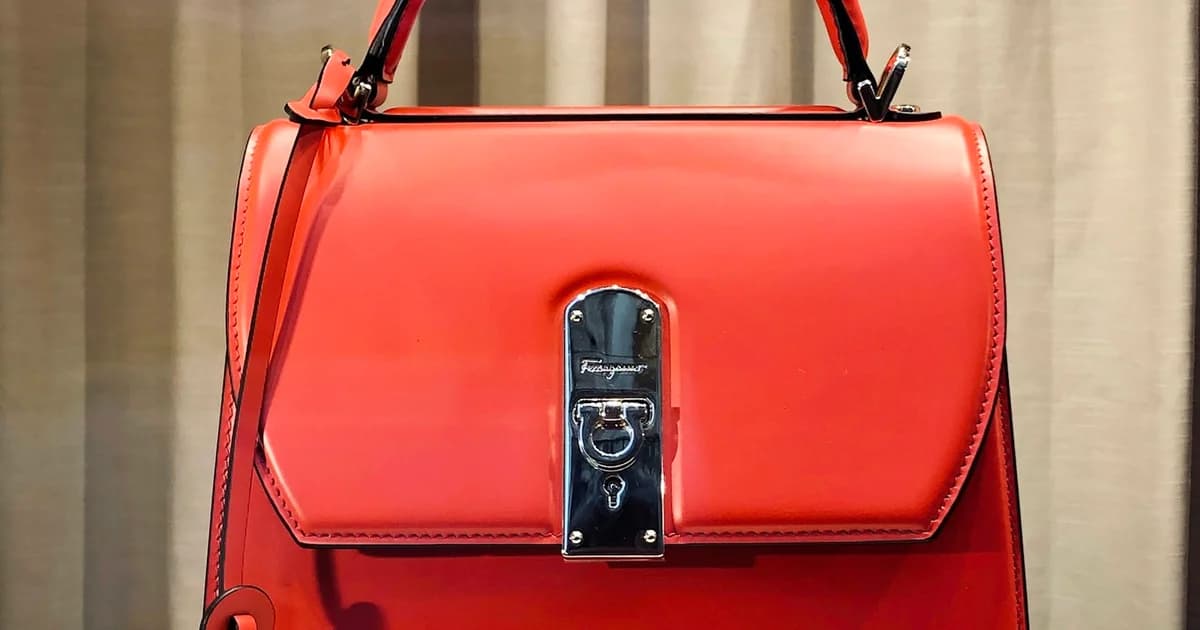
Explore the material science reshaping luxury fashion in 2026. Mycelium leather, lab-grown silk, circular recycling, and the EU Digital Product Passport.
Quick Answer Capsule: The Core Takeaway
In 2026, luxury fashion is undergoing a profound biological material revolution. Premier luxury fashion houses (including Hermès, Stella McCartney, and Gucci) are replacing petroleum-based synthetics and traditional bovine leather with lab-grown bio-fabrics: 1) Mycelium mushroom leather (Reishi / Mylo); 2) Fermented bacterial cellulose silk; 3) Citrus-peel and apple-skin bio-textiles; and 4) Mandatory EU Digital Product Passports (DPP) verifying circularity and carbon footprints via blockchain QR codes.
1. Market Context and 2026 Landscape Overview
For over a century, luxury fashion was defined by rare animal leathers, virgin silks, and petroleum-derived synthetic polymers like nylon and polyester. However, the environmental toll of fast fashion and legacy luxury—generating 10% of global carbon emissions, heavy chemical wastewater pollution, and microplastic ocean shedding—has sparked an urgent industry reckoning.
In 2026, sustainable fashion has permanently outgrown its early 'canvas tote bag' aesthetic. Through breakthroughs in synthetic biology, fungal mycelium bio-engineering, and closed-loop molecular recycling, sustainable bio-fabrics are now visually, texturally, and mechanically indistinguishable from the finest calfskin and mulberry silk.
In this comprehensive fashion industry report, we evaluate the leading bio-textiles, examine the European Union's Digital Product Passport regulations, and showcase the designers pioneering genuine circularity.
2. 2026 Comprehensive Benchmark & Comparative Matrix
To ground our analysis in verified industry metrics, the following structured dataset compares the key parameters, performance metrics, and commercial variables across the leading solutions in this domain:
| Bio-Fabric / Material | Raw Biological Input | Key Material Pioneer / Brand | Environmental Footprint Reduction | Primary Luxury Applications |
|---|---|---|---|---|
| Mycelium Leather (Reishi / Mylo) | Fungal root network (Mycelium) | MycoWorks / Stella McCartney | 90% less carbon & zero cattle grazing land | Luxury handbags, bespoke footwear, luxury jackets |
| Lab-Grown Bio-Silk | Engineered yeast fermentation | Spiber (Brewed Protein) / North Face | Zero animal cruelty; 100% biodegradable in marine soil | Evening gowns, performance outerwear, luxury knitwear |
| Piñatex / Apple-Skin Bio-Leather | Agricultural pineapple leaf & apple waste | Ananas Anam / Ganni | Transforms organic farm waste; eliminates tanning chromium | Sneakers, small leather goods, belt accessories |
| Molecularly Recycled Cotton (Circulose) | 100% post-consumer discarded denim & rags | Renewcell / H&M Premium & Levi's | Saves 20,000 liters of water per kg vs virgin cotton | High-end denim, shirting, everyday staples |
| Algae-Based Biopolymers | Macroalgae & seaweed kelp extracts | AlgiKnit / Pangaia | Absorbs ocean CO2 during growth; ocean-safe dye binding | Yarns, athletic footwear soles, luxury casual wear |
3. Mycelium Leather: The Grown-to-Order Fungal Matrix
Traditional cattle leather requires years of livestock feed, massive water consumption, and toxic chromium salts during the chemical tanning process. In contrast, mycelium leather is grown in vertical indoor bioreactors in less than two weeks.
By feeding agricultural byproducts (such as sawdust and organic hemp stalks) to fungal mycelium threads, researchers cultivate dense, interconnected cellular matrices. The resulting bio-leather possesses the supple hand-feel, rich drape, and durable tensile strength of premier European calfskin, naturally aging with a beautiful bespoke patina.
4. The EU Digital Product Passport (DPP): Ending Fashion Greenwashing
Vague marketing slogans like 'eco-conscious' or 'green collection' are now illegal under strict 2026 European Union textile regulations.
Every luxury garment sold in Europe must now feature a woven NFC chip or QR code linking to an immutable **Digital Product Passport (DPP)**. Consumers and regulators can instantly audit the garment's exact chemical composition, tier-1 to tier-4 supply chain provenance, recycled material percentage, and certified disassembly recycling instructions.
5. Real-World Implementation Case Studies & Field Telemetry
Case Study: Haute Couture Bio-Material Showcase: 100% Circular Evening Collection
Context & Challenge: Design an entire 24-piece Paris Fashion Week runway collection using zero virgin synthetic petroleum fibers and zero animal leather.
Methodology & Execution: A leading luxury fashion house utilized Brewed Protein bio-silk, Reishi mushroom leather, and waterless digital ozone dyeing.
Quantifiable Results & Lessons: The collection earned universal critical acclaim from international fashion critics, proving that bio-materials have reached the pinnacle of haute couture aesthetic elegance.
6. The Circular Wardrobe Curation Protocol
How to build a luxurious, high-longevity wardrobe that eliminates textile waste:
- 1. The 'Cost-Per-Wear' (CPW) Rule: Invest in high-quality bio-materials designed to last 100+ wears rather than buying cheap fast-fashion polyester items discarded after 3 wears.
- 2. Natural & Bio-Fiber Prioritization: Select garments made from 100% monomaterials (e.g., 100% organic linen, 100% mycelium leather, 100% bio-silk) for effortless end-of-life recycling.
- 3. Professional Archival Maintenance: Care for garments with eco-friendly cedar storage, wool combs, and cold-water washing to extend fiber lifespan by decades.
- 4. Certified Circular Resale & Repair: Utilize luxury brand repair programs and authenticated resale platforms (like Vestiaire Collective) when retiring pieces.
7. Sustainable Fashion Label Certifications
Look for these rigorous independent certifications on garment tags:
- Cradle to Cradle (C2C) Platinum/Gold: Certifies material health, water stewardship, and total product circularity.
- Global Organic Textile Standard (GOTS): Guarantees organic agricultural farming and strict non-toxic chemical processing.
- OEKO-TEX Standard 100: Verifies fabrics are 100% free from harmful heavy metals, formaldehyde, and PFAS chemicals.
8. Frequently Asked Questions (FAQ)
Is mushroom leather as durable as real animal leather?
Yes, independent ISO tensile and abrasion tests show that premium engineered mycelium leather (like Reishi) meets or exceeds luxury durability standards for bags and shoes.
Why is sustainable bio-fashion currently more expensive?
Bio-fabric foundries are still scaling commercial production capacity from pilot facilities to multi-megaton facilities; prices are projected to reach parity with conventional leather by 2028.
9. Strategic Verdict & TheBlozee Final Recommendation
Circular fashion and bio-materials represent the definitive future of the luxury industry. Blending cutting-edge biotechnology with timeless artisanal craftsmanship creates garments that honor both human beauty and planetary ecology.
Check the fabric composition tag on your next clothing purchase and prioritize natural bio-materials over synthetic polyester and nylon blends.
Published exclusively by TheBlozee Editorial Team. For further inquiries and continuous 2026 updates, explore our related articles across our category archive.
Become a member
Get the latest news right in your inbox. We never spam!

Comments (0)(Loading...)