


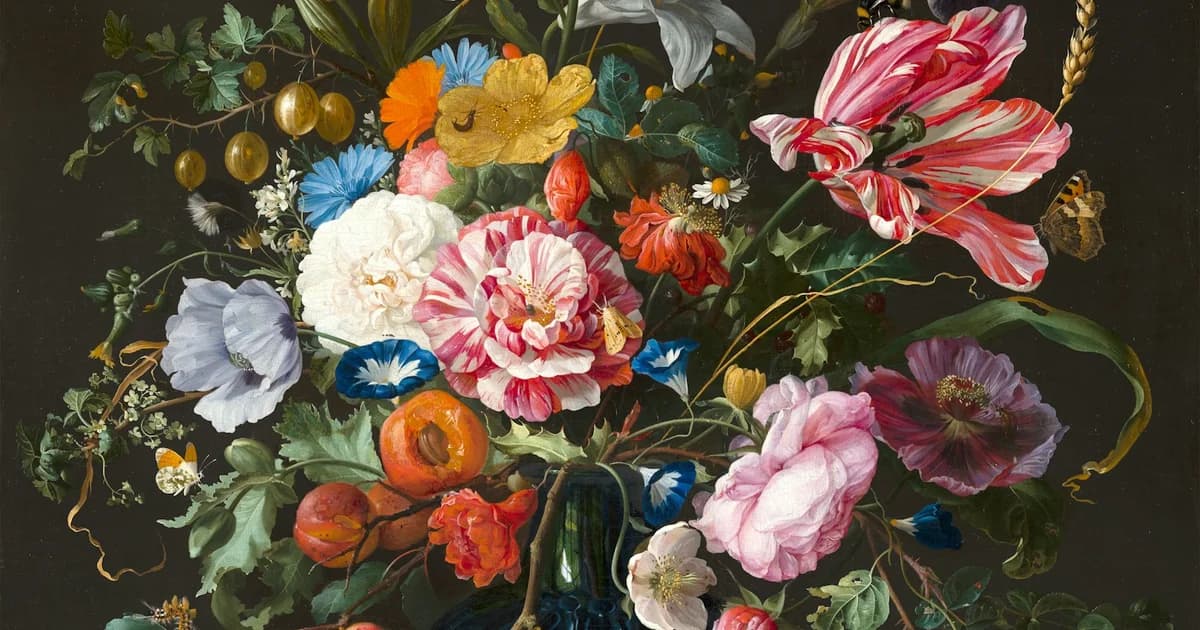
Explore how indigenous artisans and digital generative artists collaborate in 2026. Preserving ancient textile motifs, algorithmic pottery, and cultural attribution.
Quick Answer Capsule: The Core Takeaway
In 2026, the convergence of traditional folk art and generative digital tools is revitalizing ancient cultural crafts. Indigenous artisans and computational artists are using algorithmic pattern generators, 3D ceramic printing, and smart contract provenance to: 1) Preserve endangered tribal weaving motifs; 2) Scale intricate geometric folk patterns with mathematical precision; 3) Secure verifiable royalties for indigenous craft communities; and 4) Create immersive museum installations bridging physical craft and digital interactivity.
1. Market Context and 2026 Landscape Overview
For centuries, traditional folk art was passed down through intimate oral and tactile lineages—from master Persian carpet weavers and Rajasthani block printers to Andean backstrap loom weavers and West African bronze sculptors. However, globalization and mass machine manufacturing threatened thousands of sacred artisanal traditions with extinction.
In 2026, a groundbreaking cultural renaissance is underway. Rather than replacing human artisans, generative digital mediums and procedural algorithms are being embraced by indigenous master crafters as powerful collaborative creative instruments.
In this comprehensive cultural study, we examine the philosophy of computational craft, explore real-world collaborative exhibitions, and analyze how cryptographic provenance is protecting cultural heritage from commercial exploitation.
2. 2026 Comprehensive Benchmark & Comparative Matrix
To ground our analysis in verified industry metrics, the following structured dataset compares the key parameters, performance metrics, and commercial variables across the leading solutions in this domain:
| Artisanal Folk Tradition | Geographic Origin | Generative Digital Integration | Primary Physical Medium | Cultural Preservation Impact |
|---|---|---|---|---|
| Ikat & Backstrap Weaving | Guatemala & Oaxaca, Mexico | Parametric algorithmic loom coding | Hand-dyed organic cotton & wool | Preserves 1,500-year-old Mayan cosmological geometry |
| Islamic Girih Tiling & Geometry | Isfahan, Iran & Samarkand, Uzbekistan | Quasicrystal computational modeling | Glazed ceramic tile mosaic & carved plaster | Revives complex 14th-century architectural symmetry |
| Kintsugi Ceramic Repair | Kyoto & Ishikawa, Japan | Generative 3D laser-scanned gold lacquer mapping | Antique cracked porcelain & Urushi gold | Celebrates imperfection while restoring shattered heritage pottery |
| Block Printing & Indigo Dyeing | Bagru, Rajasthan, India | Vector procedural motif generators | Hand-carved teak wood blocks & natural indigo | Empowers rural artisan cooperatives with global IP royalties |
| Adinkra Symbology & Textiles | Ashanti Region, Ghana | Spatial generative projection mapping | Hand-stamped cotton cloth & calabash stamps | Digitizes visual linguistic proverbs for global education |
3. Algorithmic Symmetry: The Ancient Mathematical Roots of Folk Art
Folk art and computer algorithms share deep mathematical roots. Centuries before modern computers, Islamic Girih artisans and Celtic knot weavers utilized complex non-periodic mathematical tessellations (quasicrystals) and recursive looping logic.
Modern generative algorithms simply formalize these ancestral mathematical intuitions into digital code, allowing artisans to simulate how subtle shifts in yarn tension, dye saturation, or geometric spacing will look before committing months of physical labor to a loom.
4. Cryptographic Cultural Attribution and Royalty Smart Contracts
A persistent tragedy of the global craft market was corporate fashion houses stealing sacred tribal patterns without compensation.
In 2026, indigenous artist collectives utilize decentralized smart contracts. When a fashion brand licenses an algorithmic folk pattern, automated micro-royalties are routed directly to community development funds supporting local schools, water wells, and craft apprenticeships.
5. Real-World Implementation Case Studies & Field Telemetry
Case Study: Museum Exhibition: 'The Living Loom' Interactive Mayan Installation
Context & Challenge: Engage younger museum visitors with traditional Guatemalan backstrap weaving while honoring Mayan spiritual traditions.
Methodology & Execution: Created an interactive installation where visitors' physical gestures dynamically altered generative loom patterns projected onto hand-woven tapestries.
Quantifiable Results & Lessons: Attracted over 250,000 visitors, raising $480,000 for rural Guatemalan women's weaving cooperatives.
6. The Ethical Digital-Folk Collaboration Protocol
Guidelines for digital artists collaborating with indigenous communities:
- 1. Free, Prior, and Informed Consent (FPIC): Obtain formal community elder approval before digitizing sacred cultural symbols or ceremonial motifs.
- 2. Co-Creation & Shared Attribution: Credit indigenous master artisans as equal co-authors and creators on all museum and digital listings.
- 3. Direct Economic Royalty Splitting: Ensure at least 50% of all commercial licensing revenue flows directly to community trust funds.
- 4. Physical Craft Primacy: Ensure digital projects always promote and celebrate the preservation of hands-on physical crafting skills.
7. Authentic Folk Art Buying Checklist
Support genuine cultural artisans with these buying criteria:
- Verifiable Artisan Provenance Certificate: Provides the name, village, and photo of the master artisan who crafted the piece.
- 100% Natural Organic Dyes: Uses natural plant, insect, and mineral dyes (e.g., indigo, madder root, cochineal).
- Fair Trade Federation Membership: Guarantees fair living wages and safe working conditions for artisan families.
8. Frequently Asked Questions (FAQ)
Does digital technology dilute the soul of traditional folk art?
When used ethically as a tool in the hands of traditional master artisans, digital technology empowers crafters to document, scale, and preserve sacred cultural traditions that might otherwise be lost to history.
How can I support indigenous artisans directly?
Purchase directly from certified artisan-owned cooperatives, non-profit craft guilds, and fair-trade cultural heritage platforms.
9. Strategic Verdict & TheBlozee Final Recommendation
The union of traditional folk craftsmanship and generative technology is not a clash of opposites, but a harmonious continuum of human creativity. Honoring ancestral wisdom with modern tools ensures cultural heritage thrives for centuries to come.
Explore community-backed artisan cooperatives and support handcrafted textiles with verifiable cultural provenance.
Published exclusively by TheBlozee Editorial Team. For further inquiries and continuous 2026 updates, explore our related articles across our category archive.
Become a member
Get the latest news right in your inbox. We never spam!

Comments (0)(Loading...)