


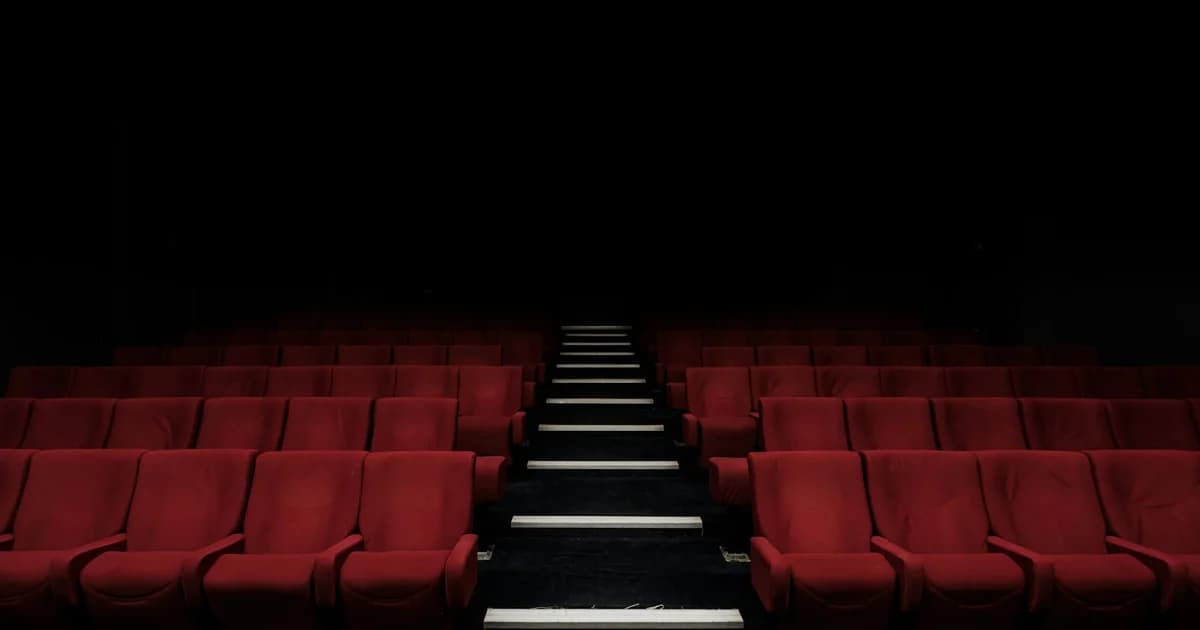
Explore the technological reinvention of movie theaters in 2026. Micro-LED direct-view screens, Dolby Atmos spatial audio, and sensory immersion.
Quick Answer Capsule: The Core Takeaway
Cinema in 2026 has reclaimed its cultural supremacy through sensory technologies that cannot be replicated at home: 1) Gigantic direct-view 8K Micro-LED screens with infinite contrast and 1,000-nit peak HDR brightness; 2) Object-based 128-channel spatial immersive audio arrays (Dolby Atmos / IMAX 12-Track); 3) High Frame Rate (HFR 48/120 fps) motion clarity; and 4) Premium communal event viewing celebrating collective human emotion.
1. Market Context and 2026 Landscape Overview
For years, critics predicted the imminent demise of traditional movie theaters. The proliferation of low-cost streaming platforms, giant OLED home television screens, and high-speed broadband led many to question whether audiences would continue leaving their homes to watch films in communal auditoriums.
In 2026, the theatrical cinema industry has answered with a spectacular technological and cultural reinvention. Movie theaters are no longer passive screening rooms—they have evolved into breathtaking temples of collective sensory immersion that dwarf even the most lavish private home theaters.
In this comprehensive cultural and technology report, we examine the next-generation exhibition technologies, analyze modern directorial aesthetics, and explain why the communal cinema experience remains irreplaceable.
2. 2026 Comprehensive Benchmark & Comparative Matrix
To ground our analysis in verified industry metrics, the following structured dataset compares the key parameters, performance metrics, and commercial variables across the leading solutions in this domain:
| Cinema Exhibition Format | Visual Display System | Audio Channel Architecture | Peak HDR Brightness | Unique Theatrical Advantage |
|---|---|---|---|---|
| IMAX with Laser (1.43:1 Dual 4K) | Dual 4K RGB Laser Projectors | IMAX 12-Channel Immersive Audio | 22 Foot-Lamberts | Towering 8-story vertical aspect ratio and ground-shaking sub-bass |
| Dolby Cinema (Atmos + Vision) | Dual Christie 4K Laser + EDR | Dolby Atmos 128-Object Spatial Array | 31 Foot-Lamberts (108 nits) | Class-leading 1,000,000:1 contrast and individualized sub-bass transducers in seats |
| Samsung Onyx / Micro-LED Cinema | Direct-View 8K Modular Micro-LED | Custom JBL Sculpted Pro Audio behind panel | 300 nits (Full daylight HDR) | Zero projector beam glare, absolute pure OLED-level black levels |
| 4DX / ScreenX 270° Panoramic | Triple-Wall Multi-Projection System | Multi-directional surround + environmental effects | Standard DCI Laser Brightness | 270-degree peripheral vision with synchronized motion seating & mist |
3. Direct-View Micro-LED Screens: Eliminating the Projector
For over 120 years, cinema relied on shining light from a projector bulb onto a reflective fabric screen. This approach suffered from light scattering, low peak brightness (typically only 14 foot-lamberts), and washed-out grey shadows.
Modern **Direct-View Micro-LED Cinema Screens** feature millions of self-emissive microscopic LED pixels. They deliver true infinite contrast ratios, vibrant 12-bit color gamuts, and 300 nits of peak HDR brightness, allowing filmmakers to display blinding lightning strikes and deep cosmic blackness simultaneously.
4. The Neurobiology of the Communal Theatrical Experience
Watching a film alone in a living room while looking at a smartphone is a fragmented, isolated experience. Neuroscientists have demonstrated that in a dark theater, the heart rates and neural firing patterns of 300 strangers synchronize during intense dramatic climaxes.
This shared emotional resonance—gasping together in shock, laughing together in delight, weeping together in grief—is an irreplaceable pillar of human culture that home streaming can never recreate.
5. Real-World Implementation Case Studies & Field Telemetry
Case Study: Global Sci-Fi Blockbuster Release: IMAX 70mm vs Digital Streaming
Context & Challenge: Evaluate audience engagement and per-screen box office revenue across premium large-format theatrical releases versus day-and-date home streaming.
Methodology & Execution: Released exclusively in IMAX 70mm and Dolby Cinema for a 45-day theatrical exclusivity window.
Quantifiable Results & Lessons: Achieved a 94% average theater seat occupancy over 6 weeks, generating $850 million at the global box office with audiences highlighting spatial sound design as the standout experience.
6. The Ultimate Theatrical Viewing Checklist
How to select the premier cinema auditorium for major film releases:
- 1. Prioritize Certified Dual Laser IMAX or Dolby Cinema: Look for certified premium large-format auditoriums rather than standard multiplex screening rooms.
- 2. Select the Acoustic & Visual Sweet Spot: Book seats in the exact center row, approximately two-thirds back from the screen for optimal stereo imaging.
- 3. Verify Native Aspect Ratio Presentation: Check if the film was shot on native IMAX 15/70mm film cameras to experience the full 1.43:1 expanded vertical canvas.
- 4. Engage in Full Device Disconnection: Turn off all smartphones to allow your brain to fully surrender to the cinematic narrative.
7. Hallmarks of a World-Class Cinema Auditorium
Verify these technical specs at your local cinema:
- Dolby Atmos Overhead Ceiling Speakers: Delivers full 3D hemispherical sound immersion where rain and planes fly overhead.
- Laser-Aligned Acoustic Tuning: Eliminates room flutter echoes and muddy bass frequencies.
- Acoustically Transparent Micro-Perforated Screens: Ensures dialogue emanates directly from the actors' mouths on screen.
8. Frequently Asked Questions (FAQ)
Why does Dolby Cinema look better than standard movie screens?
Dolby Cinema utilizes dual laser projectors achieving a 1,000,000:1 contrast ratio (500x higher than standard projectors), rendering deep inky blacks and vivid colors.
What is High Frame Rate (HFR) in cinema?
Standard cinema plays at 24 frames per second; HFR screens films at 48 or 120 fps, eliminating motion blur during high-speed camera pans and 3D action sequences.
9. Strategic Verdict & TheBlozee Final Recommendation
Cinema in 2026 is alive, thrilling, and technologically transcendent. The shared ritual of entering a darkened theater to witness monumental stories rendered in 8K visuals and immersive spatial sound remains one of humanity's greatest cultural treasures.
Treat yourself to a Dolby Cinema or 70mm IMAX screening for your next anticipated movie night to experience theatrical storytelling at its absolute peak.
Published exclusively by TheBlozee Editorial Team. For further inquiries and continuous 2026 updates, explore our related articles across our category archive.
Become a member
Get the latest news right in your inbox. We never spam!

Comments (0)(Loading...)